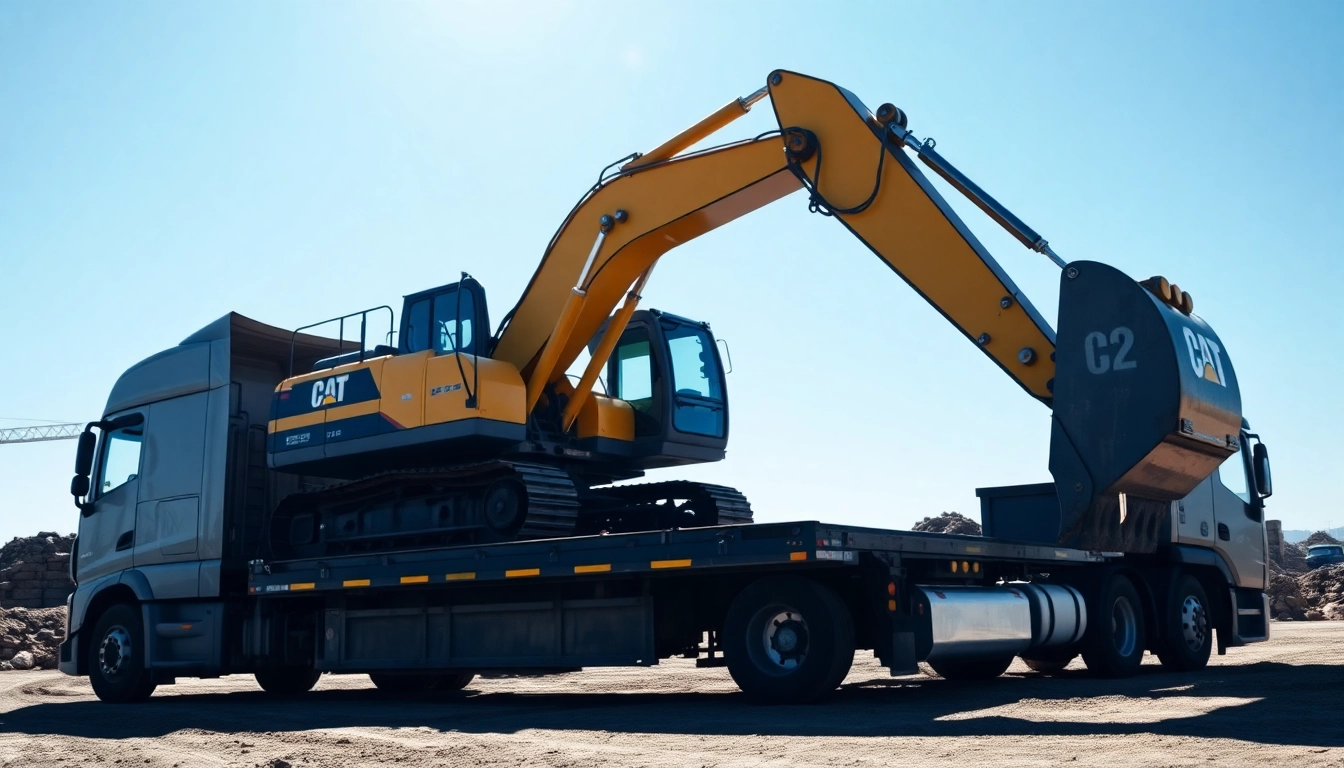
Understanding Equipment Transportation
Definition and Importance of Equipment Transportation
Equipment transportation refers to the process of moving machinery and heavy equipment from one location to another. This service is essential in several industries, including construction, agriculture, and manufacturing. Timely and safe transportation of equipment ensures project schedules are met, minimizing downtime and maximizing productivity. Factors such as size, weight, and the nature of the equipment make specialized transportation critical. Understanding the intricacies of this field can lead to better decision-making and efficiency across various sectors, especially when managing logistics.
Types of Equipment Transport Services
There are several methods of transporting equipment, including:
- Flatbed Transport: Ideal for standard-sized equipment, flatbed trucks can accommodate various machinery types. This method provides accessibility for loading and unloading.
- Enclosed Transport: Suitable for delicate equipment needing additional protection from weather conditions and road debris, enclosed transport can safeguard expensive machines during transit.
- Heavy Hauling: This service caters to oversized and overweight machinery requiring special permits and equipment to safely transport.
- Container Shipping: For international transportation, shipping containers provide a secure way to move equipment overseas.
Key Considerations for Safe Equipment Transportation
Safety is paramount in equipment transportation. Here are some key considerations:
- Proper Securing: Ensuring equipment is correctly secured prevents damage during transit and keeps everyone on the road safe.
- Weight Distribution: Balanced weight distribution is crucial for stable transport, particularly for large loads.
- Road Regulations: Familiarizing oneself with local transportation laws and regulations helps avoid fines and ensures compliance.
- Weather Conditions: Monitoring weather forecasts can help plan transport schedules to avoid delays or accidents.
Choosing the Right Equipment Transportation Method
Ground Transportation Options
Ground transportation is the most commonly used method for transporting equipment. Options include:
- Truck Transport: Trucks are flexible and can navigate various terrains. Different types of trucks are available, including flatbeds, lowboys, and step decks, to cater to various equipment sizes and weights.
- Rail Transport: For heavy and bulk equipment, rail transport can be a cost-effective and efficient option when road access is limited.
Air and Sea Transportation Pros and Cons
While less common than ground methods, air and sea transportation have their advantages:
- Air Transport: Quick and efficient, air transport reduces time significantly, ideal for urgent equipment needs, but often comes with high costs.
- Sea Transport: Economical for large shipments, sea transport allows for significant weight capacity but involves longer transit times and complexities in port logistics.
Choosing Between Open and Enclosed Transport
The choice between open and enclosed transport largely depends on the type of equipment and its value. Open transport allows for easier loading and unloading but exposes equipment to the elements. Conversely, enclosed transport provides protection from weather but may be more costly and less accessible for loading and unloading.
Factors Influencing Equipment Transportation Costs
Distance and Route Considerations
The distance between pick-up and delivery points plays a pivotal role in transportation costs. Longer distances typically lead to higher costs due to fuel consumption, labor, and wear on vehicles. Additionally, complex routes with tolls, traffic congestion, or strict regulations can further drive costs up.
Size and Weight of Equipment
The overall size and weight of the equipment significantly influence transport costs. Heavier and oversized loads often require specialized vehicles, permits, and route planning, all of which contribute to increased expenses. Knowing the exact specifications of the equipment can help in getting accurate quotes from a transporter.
Additional Fees and Insurance
Hidden costs can arise from additional fees like fuel surcharges, tolls, or expedited delivery requests. Furthermore, insuring valuable equipment during transport can protect against potential loss or damage, adding another layer to overall costs. It's essential to account for these factors when budgeting for equipment transportation.
Challenges in Equipment Transportation
Dealing with Oversized Loads
Oversized loads pose unique challenges, requiring additional permits and often special routing. This complexity can lead to delays and higher costs if not managed properly. Transporting oversized loads safely requires meticulous planning, including securing the appropriate vehicles and permits.
Location-Specific Regulations
Regulations may vary by state or locality, especially regarding transport sizes, weights, and routes. Keeping up-to-date with these regulations is crucial for compliance and to avoid fines or operational delays. Engaging an experienced transport company familiar with local laws can aid in navigating these complexities effectively.
Seasonal Weather Impacts
Weather can significantly impact equipment transportation. Snow, rain, or extreme heat can lead to delays, increased transportation risks, or damage to the equipment being transported. Planning transportation routes and schedules with seasonal forecasts in mind can mitigate these influences and ensure smoother operations.
Future Trends in Equipment Transportation
Technological Innovations
The equipment transportation industry is witnessing a surge in technology adoption. Innovations such as GPS tracking and route optimization software enhance operational efficiency, enabling real-time monitoring and improving delivery times. Automated logistics systems will likely become more prevalent, further streamlining the transportation process.
Environmental Sustainability Practices
Increasing environmental awareness is transforming how equipment is transported. Companies are implementing eco-friendly practices, such as using fuel-efficient vehicles and optimizing routes to reduce carbon footprints. This shift not only benefits the environment but also can attract eco-conscious clients looking for sustainability in their supply chain.
Impact of E-commerce on Equipment Transportation
The rise of e-commerce is reshaping equipment transportation by increasing demand for fast and efficient services. Companies must adapt to meet customer expectations for quicker delivery times and seamless logistics, driving innovation within the transportation sector to accommodate these evolving needs.
Frequently Asked Questions
What are the main factors affecting equipment transportation costs?
Distance, size and weight of equipment, route complexity, additional fees, and insurance all play critical roles in determining transportation costs.
What types of vehicles are used for transporting equipment?
Common vehicles include flatbed trucks, lowboys, and enclosed trailers, depending on the size and nature of the equipment.
How can I ensure the safe transport of my equipment?
Proper securing, balanced weight distribution, compliance with regulations, and planning around weather conditions are essential for safe transportation.
What should I consider when choosing a transport service?
Evaluate their experience, safety record, insurance coverage, and understanding of the specific equipment you need to transport.
Is insurance necessary for equipment transportation?
While not always mandatory, insurance is highly recommended to protect against potential loss or damage during transit.
Contact Information
Call Us:4062607988Address: 3906 MT-40, Columbia Falls, MT 59912