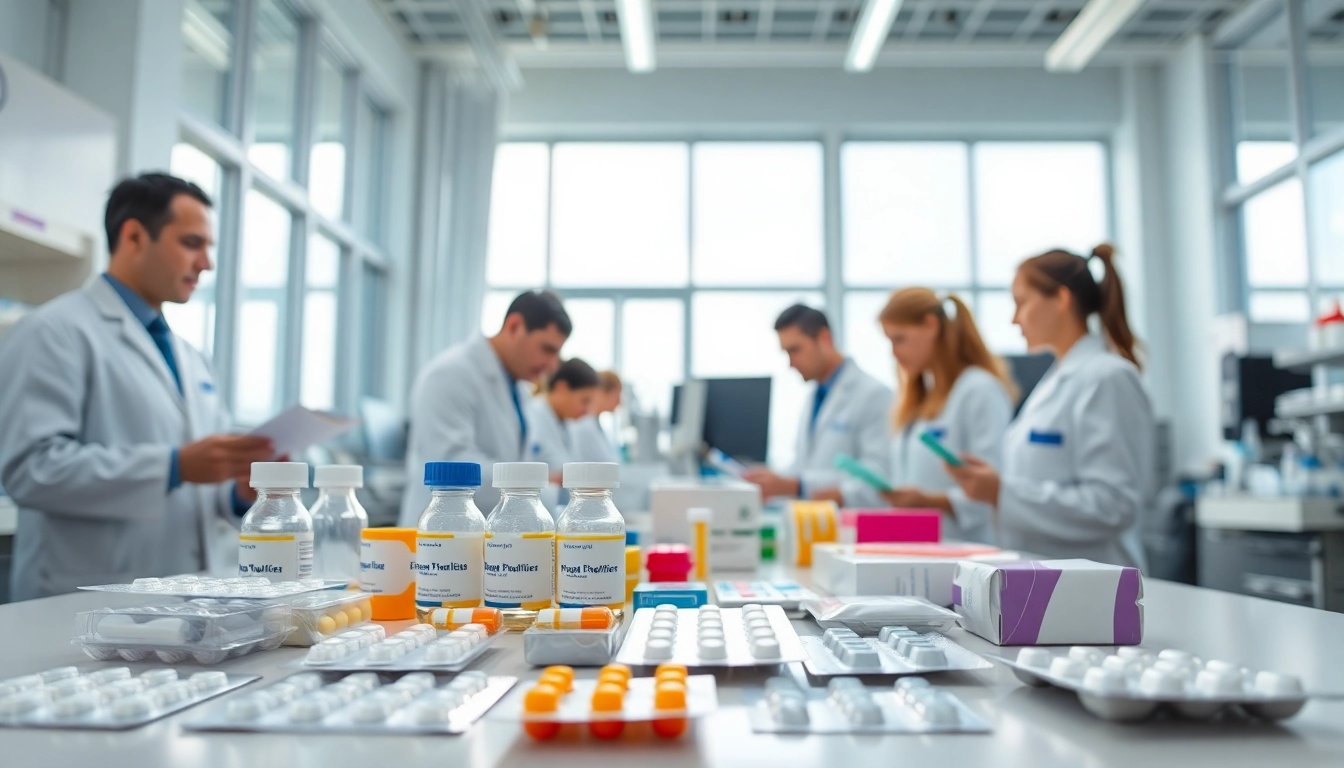
Understanding Pharmaceutical Packaging Services
Definition and Importance
Pharmaceutical packaging services encompass a range of specialized processes designed to secure and safely deliver medications from manufacturers to consumers. These services are vital in the pharmaceutical supply chain, ensuring that products are protected from contamination and degradation while also being compliant with regulatory standards. They include primary packaging, which directly contains the drug, and secondary packaging, which provides additional protection and branding.
Effective pharmaceutical packaging is not just about containment; it plays a significant role in maintaining the efficacy of the medication, ensuring proper dosing, and enhancing patient compliance. With a growing emphasis on patient safety and regulatory compliance, the importance of pharmaceutical packaging services has never been more pronounced.
Types of Pharmaceutical Packaging
To understand the full scope of pharmaceutical packaging services, it's essential to explore the various types available:
- Primary Packaging: This includes vials, ampoules, blister packs, and bottles that directly contain medications.
- Secondary Packaging: This encompasses cartons and outer boxes that provide additional branding, information, and protection.
- Tertiary Packaging: Used for bulk transport, this includes pallets and crates designed to safeguard products during shipping.
- Child-Resistant Packaging: Safety features included to prevent accidental ingestion by children, critical for over-the-counter medications.
- Labels and Inserts: Essential for providing instructions, warnings, and information about the drug.
Regulatory Compliance in Pharmaceutical Packaging Services
Regulatory compliance is a cornerstone of pharmaceutical packaging. Companies must adhere to strict guidelines set forth by agencies like the FDA and EMA. This ensures not only the safety and effectiveness of the packaging materials but also that they meet stringent quality controls.
Areas of focus include material selection, sterility, and the inclusion of appropriate labeling and instructions. Failure to comply with these regulations can result in serious legal and financial repercussions, making it imperative for companies to stay abreast of evolving standards.
Key Features of Effective Pharmaceutical Packaging Services
Custom Packaging Solutions
Custom packaging solutions are essential in the pharmaceutical industry, allowing companies to tailor their packaging to meet specific needs. This can include unique shapes, sizes, and materials that enhance product protection and aesthetic appeal. Customization also extends to branding, enabling companies to create packaging that not only protects but also promotes their products effectively.
Quality Assurance and Safety Measures
Quality assurance in pharmaceutical packaging is critical. Comprehensive testing protocols are in place to ensure that materials meet the necessary standards for safety, durability, and efficacy. Regular audits and inspections maintain high-quality standards, and companies implement rigorous tracking and documentation processes to trace any defects back to their source.
Innovative Technology in Packaging
With technological advancements, the pharmaceutical industry has seen significant innovations in packaging. Smart packaging solutions such as tamper-evident seals, temperature monitoring systems, and QR codes enable manufacturers to enhance product integrity while providing added information to consumers. These innovations help streamline the supply chain and improve traceability.
Benefits of Utilizing Pharmaceutical Packaging Services
Enhanced Product Protection
One of the primary benefits of effective pharmaceutical packaging services is enhanced product protection. By utilizing high-quality materials and innovative designs, packaging safeguards products from environmental factors such as moisture, light, and temperature fluctuations, which can compromise drug integrity.
Improved Shelf Life
Proper pharmaceutical packaging aids in preserving the shelf life of medications. Airtight seals and UV-resistant materials can significantly prolong the effectiveness of active ingredients, ensuring that consumers receive medications that meet their intended efficacy.
Customer Convenience and Compliance
Customer convenience is a major factor in packaging design. User-friendly designs, such as easy-to-open blister packs or single-dose units, can enhance patient compliance. Furthermore, clear labeling and dosing instructions empower consumers to use medications correctly, reducing the likelihood of misuse or misadministration.
Challenges in Pharmaceutical Packaging Services
Adapting to Regulatory Changes
Staying compliant with constantly evolving regulations poses a significant challenge for pharmaceutical packaging companies. As agencies introduce new guidelines, firms must continuously update their processes and materials to ensure compliance, necessitating flexibility and responsiveness in their operations.
Cost Management Strategies
Cost management in pharmaceutical packaging involves balancing quality with affordability. Companies often seek innovative solutions that reduce costs while ensuring compliance and product safety. The use of advanced technology and optimized manufacturing processes can help achieve these goals without compromising quality.
Supply Chain Disruptions
Supply chain disruptions can have cascading effects on pharmaceutical packaging services. Challenges such as material shortages, transportation delays, or geopolitical factors can affect timelines and costs. Organizations must develop robust contingency plans to mitigate these risks and ensure uninterrupted service delivery.
Future Trends in Pharmaceutical Packaging Services
Sustainable Packaging Solutions
Sustainability is becoming increasingly important in pharmaceutical packaging. Companies are exploring eco-friendly materials, such as biodegradable plastics and recyclable designs, to minimize their environmental footprint. This trend not only appeals to environmentally conscious consumers but also aligns with global sustainability goals.
Smart Packaging Technology
The advent of smart packaging technology is poised to revolutionize the pharmaceutical industry. Features like smart labels, sensors, and digital tracking systems can enhance product safety and increase consumer engagement. This technology allows for real-time monitoring and data collection, supporting better inventory management and compliance reporting.
Personalized Packaging Approaches
Personalization in pharmaceutical packaging is gaining traction as patients increasingly seek tailored solutions. Packaging that considers individual patient needs, dosage requirements, and preferences can improve adherence and enhance the overall experience for consumers. This trend is supported by advances in manufacturing technology that allow for more flexible production runs.
FAQs About Pharmaceutical Packaging Services
What is pharmaceutical packaging?
Pharmaceutical packaging refers to the processes and materials used to contain and protect medications, ensuring safety, compliance, and efficacy from manufacturers to consumers.
Why is regulatory compliance important in pharmaceutical packaging?
Regulatory compliance ensures that packaging materials and processes meet safety and quality standards set by governing bodies, protecting consumers and minimizing legal risks.
What are the types of pharmaceutical packaging?
Common types of pharmaceutical packaging include primary, secondary, and tertiary packaging, as well as child-resistant options and informative labels.
How can packaging affect medication shelf life?
Effective packaging materials and designs protect medications from environmental factors, which can prolong shelf life and maintain drug efficacy over time.
What are smart packaging technologies?
Smart packaging technologies include features like sensors and QR codes that provide information about product integrity, enhance user interaction, and streamline supply chain management.