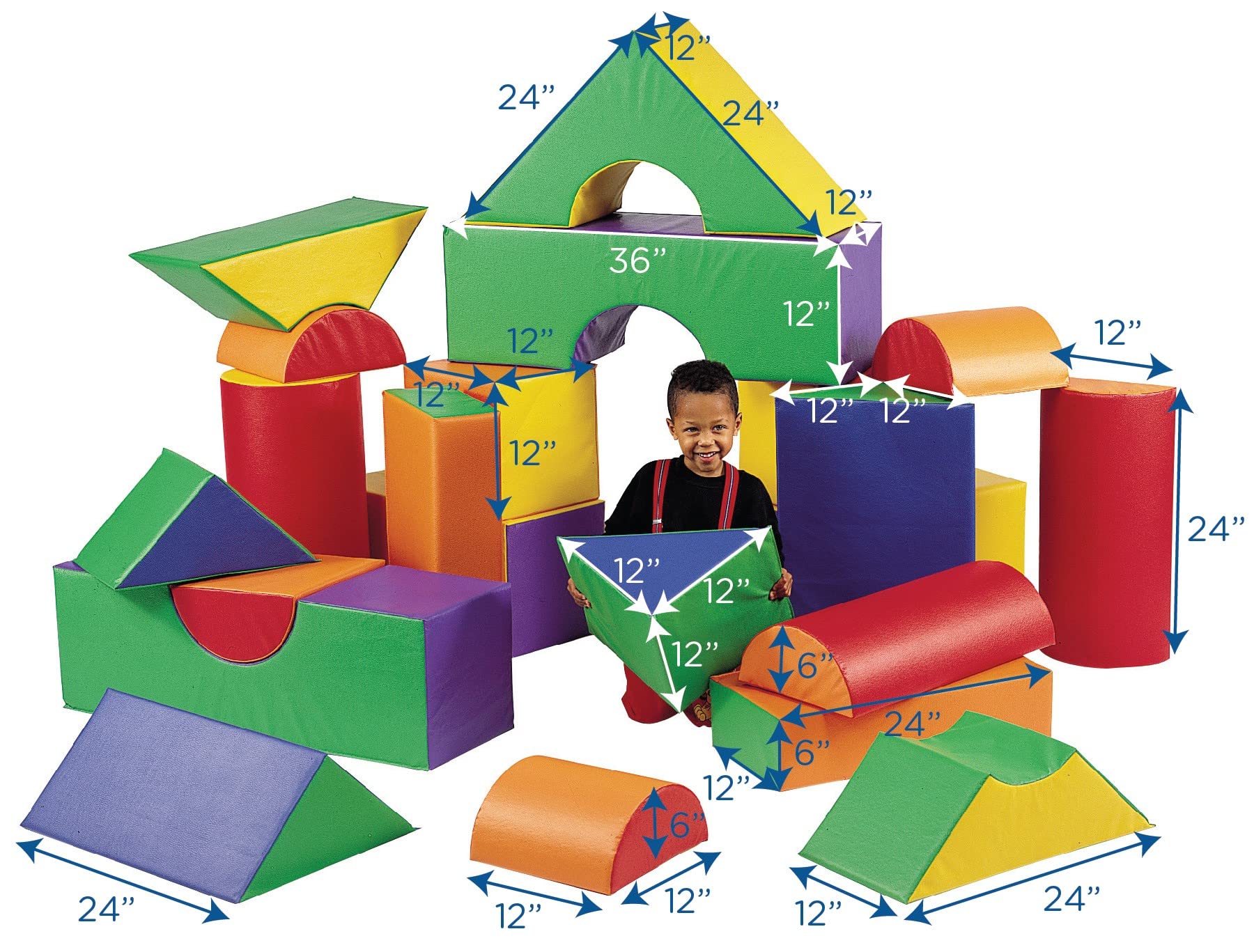
1. Introduction to Giant Building Blocks
Giant building blocks have become an invaluable tool in schools, daycare centers, and homes, providing children with a unique, engaging way to play while simultaneously developing their cognitive and motor skills. These oversized, colorful pieces invite creativity and foster teamwork as children collaborate to create structures limited only by their imaginations. By encouraging exploration, problem-solving, and imaginative play, these blocks serve as a catalyst for learning and development. To delve deeper into the innovative possibilities and engage your child's creativity, discover more about how these blocks can enhance playtime experiences.
a. Importance of Play in Childhood Development
Play is not just a leisure activity for children; it is an essential aspect of their development. Engaging in play helps children develop critical thinking, social skills, and emotional resilience. Through play, kids experiment with their environment, learn to collaborate with peers, and express their emotions in a safe space. The use of giant building blocks promotes creative thinking as children learn to experiment with balance and structure, further enriching their developmental journey.
b. Types of Giant Building Blocks
Giant building blocks come in various types, each catering to different developmental needs and play styles. Common options include:
- Foam Blocks: Lightweight and safe, these blocks are perfect for younger children.
- Plastic Blocks: Often weather-resistant, they're suitable for both indoor and outdoor play.
- Wooden Blocks: Durable and aesthetically pleasing, they often offer a more tactile play experience.
- Magnetic Blocks: These enhance creativity by allowing children to build in three dimensions.
c. Benefits of Using Large Blocks
The benefits of using large building blocks for play are profound. Firstly, they promote physical activity as children engage in lifting, stacking, and moving blocks. Secondly, they enhance fine and gross motor skills, as manipulating larger pieces requires different coordination than smaller blocks. Additionally, these blocks foster social interaction, as children often work together to build shared designs. Lastly, the creative potential encourages problem-solving and innovative thinking as children determine the best ways to construct their imaginative visions.
2. Safety Considerations When Playing
a. Choosing Safe Materials
When selecting giant building blocks, safety should be the top priority. Look for blocks made from non-toxic materials that meet safety standards to ensure that they are safe for children. Soft edges and lightweight materials reduce the risk of injury, making foam or plastic blocks excellent options, especially for younger children.
b. Supervision Guidelines
No matter how safe the materials are, supervision is key during playtime. At least one adult should monitor children as they engage with giant blocks to prevent accidents and facilitate safe play. The adult's role includes guiding children in safe building practices and intervening if play becomes too boisterous or chaotic.
c. Environment Setup for Safety
Creating a safe environment for block play involves several considerations. Designate a clear play area free from sharp objects or tripping hazards. Soft surfaces such as carpets or mats can help mitigate falls. Additionally, ensure that the area is spacious enough for children to move freely, allowing for safe collision-free play.
3. Creative Ideas for Indoor Adventures
a. Building Challenges for Kids
Building challenges can spark creativity and inspire teamwork. Set specific goals such as constructing the tallest tower or building a bridge that can carry a small toy. By introducing elements of competition and collaboration, children will learn to strategize as they engage with their peers.
b. Themed Playtime Scenarios
Theming playtime can make the building sessions more exciting. Create scenarios around topics like castles, space exploration, or pirate ships. Children can build according to the theme, crafting stories and fostering creativity while enjoying cooperative play with friends.
c. Group Activities and Games
Group activities serve as excellent bonding experiences. Develop games such as cooperative block stacking or relay races where children must pass a block to a teammate without dropping it. These activities promote not just skill development but also the social dynamics of teamwork and communication.
4. Enhancing Creativity with Building Blocks
a. Encouraging Imagination in Design
When children are provided with large blocks, their imaginative powers can run wild. Encourage them to visualize and sketch their designs before building. This practice promotes planning and helps give shape to their ideas, guiding children through an imaginative process that culminates in tangible creations.
b. Integrating STEM Learning
Giant building blocks can be excellent tools for integrating STEM (Science, Technology, Engineering, Mathematics) learning. Through play, children can explore basic principles of physics by understanding balance and weight distribution while constructing their buildings. Challenge them to predict how tall structures can stand without falling or to utilize geometry in their designs.
c. Documenting Creative Progress
Keeping a visual record of construction projects can enrich the play experience. Encourage children to take photos of their creations or keep a building journal where they document their processes and reflect on what worked and what didn’t. This practice reinforces learning and allows kids to appreciate their growth and creativity.
5. Frequently Asked Questions
a. What age group is best for giant building blocks?
Giant building blocks are suitable for a wide age range, starting from toddlers to children around the age of 10. Younger children benefit from larger, lightweight blocks for safety, while older kids can engage in more complex builds.
b. How can building blocks aid in development?
Building blocks aid development by promoting fine and gross motor skills, enhancing problem-solving abilities, and facilitating social interactions among peers. They stimulate cognitive growth and creativity through imaginative play.
c. What are the best ways to store large blocks?
The best storage solutions for large blocks include shelving units or storage bins specifically designed for toys. Keeping them organized improves playtime efficiency and helps maintain the condition of the blocks.
d. Are there eco-friendly block options?
Yes, eco-friendly building blocks made from recycled materials or sustainably sourced wood are available. These alternatives help reduce environmental impact while providing safe play opportunities for kids.
e. How to clean and maintain the blocks?
Maintaining building blocks involves regular cleaning with mild soap and warm water. For porous materials, ensure they are properly dried after cleaning to prevent mold growth. Check for wear and tear regularly and replace any damaged blocks promptly.