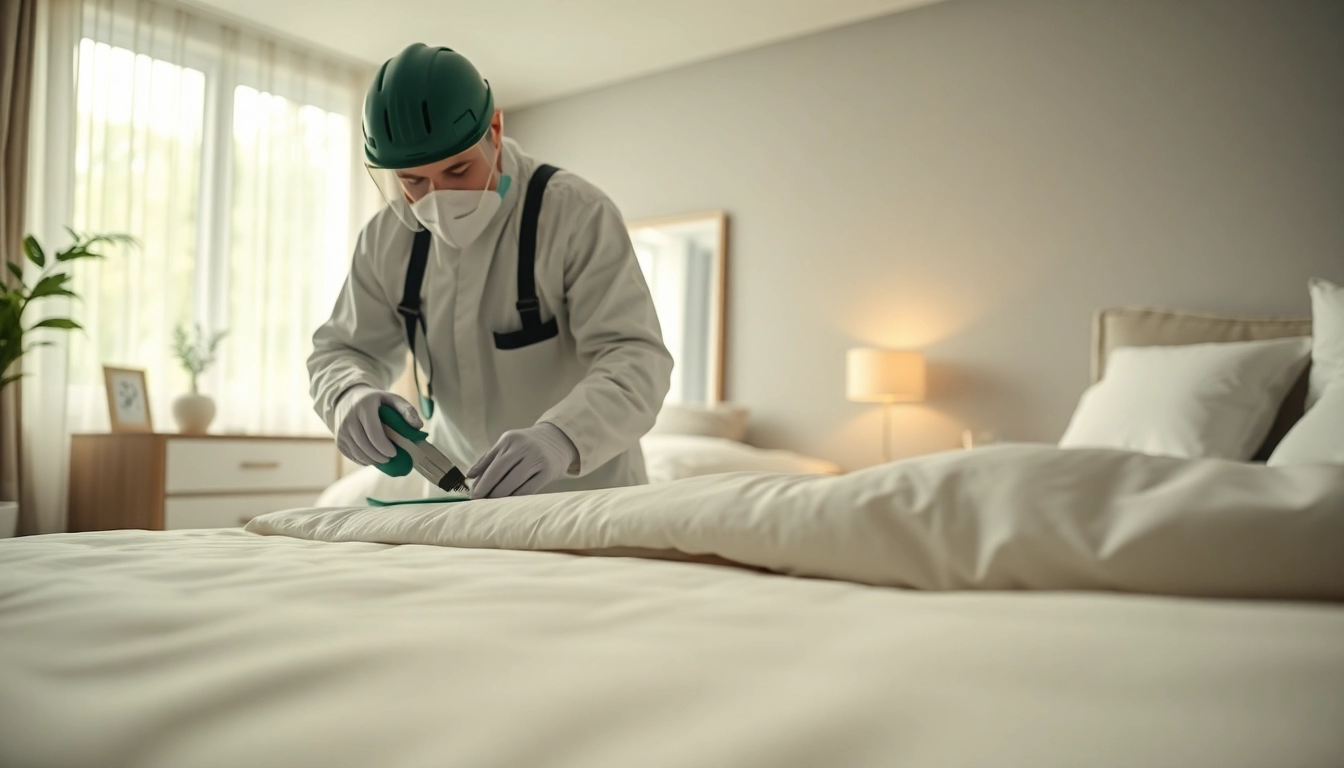
Understanding Bed Bug Infestations
Bed bugs are tiny, wingless insects that feed on the blood of humans and other warm-blooded hosts. Their small size makes them difficult to detect, and their presence can lead to significant discomfort and anxiety for those affected. To effectively tackle this pervasive issue, a thorough understanding of bed bug infestations is crucial. For those seeking bed bug removal, knowledge of their biology, behavior, and the factors contributing to infestations is the first step.
What Are Bed Bugs?
Bed bugs, scientifically known as Cimex lectularius, are small, flat parasites that are roughly the size of an apple seed. Their bodies are typically reddish-brown and become darker after feeding. Bed bugs can live several months without feeding, making them especially tenacious and difficult to eliminate. Typically, they hide in cracks and crevices during the day and emerge at night to feed, making them masters of stealth.
Common Signs of Infestation
Identifying bed bugs quickly can prevent a small problem from becoming a larger one. Common signs of an infestation include:
- Bite Marks: Small, red welts on the skin, often in a line or cluster.
- Bug Exoskeletons: Shed skins that may be found near hiding spots.
- Blood Stains: Small, dark spots on sheets and mattresses from crushed bugs.
- Fecal Spots: Dark, inky specks that are remnants of bed bug waste.
- Musty Odor: A peculiar, sweet smell often associated with a heavy infestation.
Reasons for Bed Bug Infestations
Bed bugs are notorious for their spread, often hitching rides on clothing, luggage, and used furniture. Here are some common reasons for infestations:
- Travel: Hotels and public transportation are common zones for picking up bed bugs unknowingly.
- Secondhand Furniture: Used sofas, beds, and other furniture items can harbor eggs and adults.
- Crowded Living Conditions: High-density housing increases the likelihood of infestations spreading rapidly.
Safe and Effective Bed Bug Removal Methods
Removing bed bugs requires a strategic approach. A blend of methods typically yields the best results, focusing on both chemical and physical strategies to eliminate these pests.
Heat Treatments
Heat treatments are one of the most effective methods for bed bug removal. This process involves raising the temperature in infested spaces to levels lethal to bed bugs (around 118°F or 48°C). Professional services often use specialized equipment to ensure that every area reaches the necessary temperature. Key advantages of heat treatment include:
- Non-Chemical: No pesticide is used, making it safe for humans and pets.
- Thorough: Kills all life stages, including eggs, nymphs, and adults.
- Immediate Results: Many infestations can be eliminated in a single visit.
Chemical Approaches
Chemicals can effectively complement heat treatments or can be used alone in some cases. Professional exterminators use insecticides that are specifically formulated for bed bugs. Safety is critical, as these chemicals should only be applied according to the labeled instructions to ensure effectiveness while protecting humans and pets.
Professional Extermination vs. DIY
While DIY methods may be tempting due to cost savings, they often lack the efficacy of professional extermination services and can lead to prolonged infestations. Professionals have access to potent chemicals and advanced equipment, ensuring thorough treatment. Moreover, they can provide valuable guidance on prevention. However, if homeowners opt for DIY, it’s advisable to combine multiple strategies, such as heat, traps, and chemical treatments, for best results.
Preparing for Bed Bug Removal
Preparation is crucial to maximize the effectiveness of bed bug removal efforts. Here are actionable steps to prepare effectively.
Clearing the Area
Before any extermination attempt, it’s essential to clear the area of clutter. This involves:
- Removing furniture and belongings from the infested zones.
- Vacuuming thoroughly, particularly in seams and crevices.
- Discarding items that cannot be cleaned or treated effectively.
Laundering Fabrics
Laundering clothes, bed linens, and curtains in hot water (at least 130°F) can kill bed bugs. Items should be placed in a dryer on high heat for at least 30 minutes to ensure extermination. Always inspect items carefully before returning them to the home.
Identifying Hotspots
Strategically identifying and treating hotspots is vital for effective pest management. Common areas include:
- Mattresses and box springs
- Bed frames and nearby furniture
- Cracks in walls and flooring
- Carpets close to the bed or furniture
Long-Term Prevention of Bed Bugs
Post-removal, implementing measures to prevent bed bugs from returning is essential. Here are some strategies to consider.
Regular Inspections
Frequent inspections help catch infestations early. Checking for signs of bed bugs at least once a month, especially after travel, can significantly reduce the risk of re-infestation. Special attention should be given to beds and the surrounding areas.
Using Mattress Covers
Encasements for mattresses and box springs effectively trap any existing members while preventing new bugs from entering. Ensure that the encasements are specifically labeled as bed bug proof and check regularly for wear or damage.
Best Practices for Travelers
Traveling is a significant risk factor for bed bug infestation. To mitigate this risk, consider these precautions:
- Inspect hotel rooms upon arrival, checking beds and furniture for signs of bugs.
- Store luggage on hard surfaces rather than on beds or floors.
- Launder travel clothes upon returning home.
FAQs About Bed Bug Removal
How can I tell if I have bed bugs?
Look for signs like bite marks, blood spots on sheets, and shed exoskeletons. Conduct regular inspections to catch them early.
What are the costs of bed bug removal?
Costs vary widely based on infestation severity and treatment methods, typically ranging from several hundred to a few thousand dollars.
Are DIY methods effective for bed bug removal?
While some DIY methods can be useful, they often lack the comprehensive impact of professional extermination and may prolong the infestation.
How long does bed bug removal take?
The duration depends on the infestation's severity. Professional treatments generally conclude within a few hours, but follow-up may be necessary.
Can I prevent bed bugs from returning?
Yes, implementing regular inspections, mattress covers, and safe traveling practices can significantly reduce the risk of reinfestation.