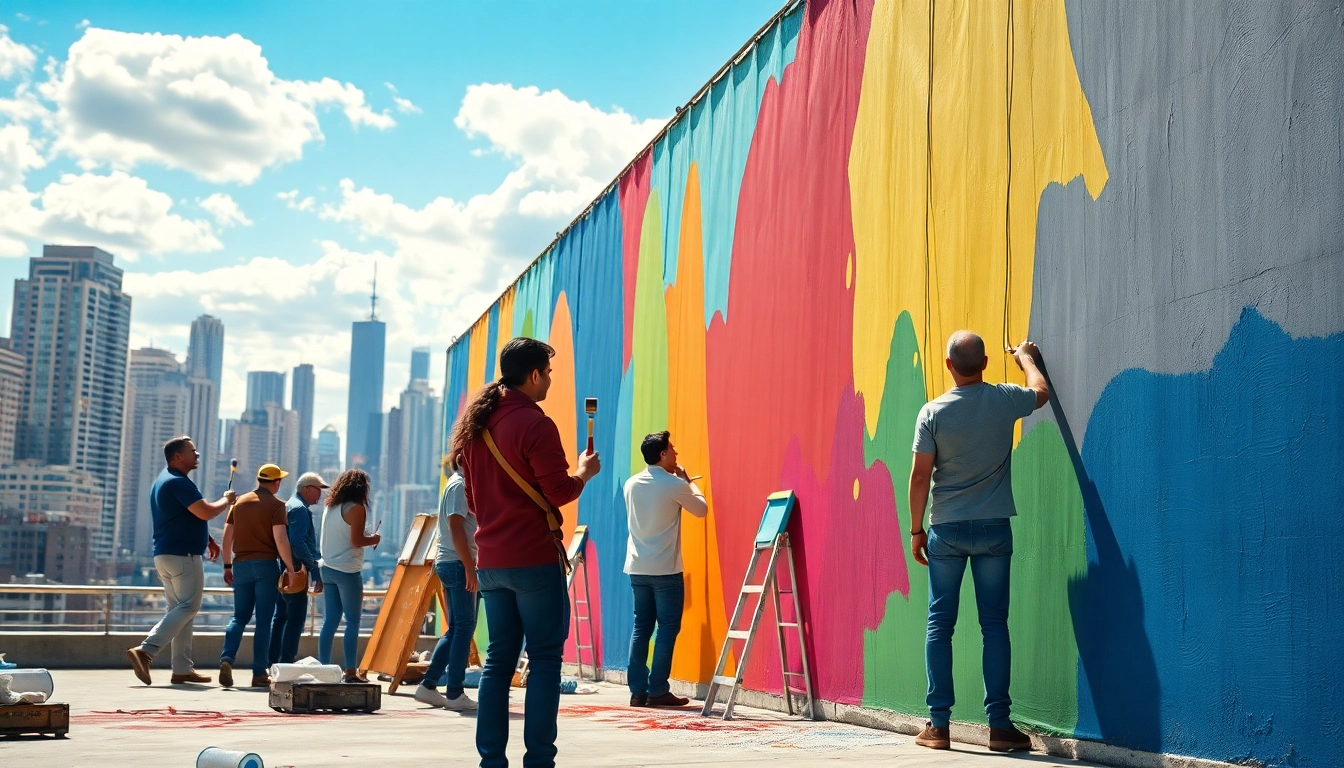
Understanding Commercial Painting and Its Importance
What is Commercial Painting?
Commercial painting refers to the process of applying paint to a variety of commercial spaces such as offices, retail stores, warehouses, and other business-related facilities. This specialized painting ensures that the aesthetic appeal of the space aligns with the brand image while also protecting surfaces against wear and tear. Unlike residential painting, which typically focuses on homes and personal spaces, commercial painting is ideal for larger areas and high-traffic environments.
Benefits of Professional Commercial Painting
Investing in professional commercial painting can yield several benefits. Firstly, it enhances the overall appearance of your building, creating a welcoming environment for both employees and customers. A well-painted space can also promote your brand identity through color and design choices that resonate with your corporate ethos. Additionally, professional painters often use high-quality materials that promote durability, ensuring that the paintwork can withstand the rigors of daily use in busy environments.
Another significant advantage is that commercial painting can significantly boost the value of your property. Both potential buyers and tenants often consider the general upkeep of the building when making decisions. A fresh coat of paint can leave a lasting impact, making your property more appealing and competitive in the market.
Key Differences from Residential Painting
The most notable difference between commercial and residential painting lies in the scope and scale of the projects. While residential painting typically focuses on enhancing the aesthetic appeal of a home, commercial painting is often more practical, catering to the specific needs of businesses. This may involve various regulations and industry standards that must be adhered to, which are not usually applicable in residential settings.
Moreover, the types of materials and paints used in commercial projects tend to differ. Commercial spaces often require more robust paint options that can handle higher wear and tear. These commercial-grade paints are designed to endure exposure to elements such as chemicals, grease, and moisture, making them a better fit for many business environments. Additionally, project timelines may differ; commercial jobs are often time-sensitive and may need to be completed outside of regular business hours to minimize disruption.
Choosing the Right Commercial Painting Services
Factors to Consider in Selection
When it comes to selecting commercial painting services, several factors should be considered to ensure you make the right choice. Firstly, assess the contractor's experience and expertise in handling commercial projects. An experienced contractor will understand the unique demands of commercial painting and have the skills to execute the project effectively.
It's also essential to review the contractor's portfolio and client testimonials. A strong portfolio demonstrates a history of successful projects, while testimonials provide insights into contractor reliability and quality of work. Furthermore, consider the range of services offered. Ideally, you want a contractor who not only paints but also provides additional services such as surface preparation, repairs, and finishing touches.
How to Evaluate Potential Contractors
Evaluating potential contractors can be a challenge, but it is crucial for guaranteeing a successful commercial painting project. Start by obtaining multiple quotes and estimates for your project. This will provide you with a clear idea of the market rate and help you differentiate between contractors based on pricing and value offered.
During consultations, ask potential contractors about their process, materials used, and warranty options. A seasoned contractor should be transparent about their methods and ready to answer any questions you may have. Additionally, check for proper licensing and insurance. A reputable contractor will have liability insurance and worker's compensation, ensuring that both you and their team are protected during the project.
Common Mistakes to Avoid When Hiring
Selecting a commercial painting contractor can sometimes lead to missteps that might affect the quality of your project. One common mistake is not checking references or reviews. Always make it a point to contact previous clients to inquire about their experiences with the contractor.
Another mistake is choosing a contractor based solely on the lowest bid. Cheap prices may indicate cutting corners on materials or workmanship, which could cost you more in the long run through frequent touch-ups or repainting tasks. Ensure that you are comparing all factors, including quality, materials, and the contractor's reputation.
Types of Commercial Painting Techniques
Eco-Friendly Painting Options
As sustainability becomes more important in the commercial sector, many businesses are opting for eco-friendly painting options. These paints are designed with lower levels of volatile organic compounds (VOCs), making them safer for indoor air quality and the environment. They provide a healthier alternative for commercial settings, particularly those with high foot traffic where harmful chemicals can accumulate.
When choosing eco-friendly paints, it is wise to look for products with certifications from recognized organizations. Many companies are now focused on providing sustainable solutions, ensuring that your painting project does not come at the expense of the environment.
Special Finishes and Textures
Special finishes and textures can significantly transform a commercial space and set it apart from competitors. Techniques such as faux finishing, textured walls, or even mural applications can create unique environments within corporate offices or hospitality settings. For instance, using textured finishes can help hide imperfections on walls, while murals can enhance brand storytelling and customer engagement.
Application Techniques for Different Materials
Commercial spaces can include various materials, each requiring specific application techniques. For example, metal surfaces often require primers to prevent rust and ensure better adhesion, while stucco might necessitate specialized methods to achieve the desired finish. Understanding these differences helps ensure that the paint adheres properly and lasts longer, reducing maintenance costs and increasing the time between repaints.
Planning Your Commercial Painting Project
Budgeting for Your Commercial Painting
Budgeting for your commercial painting project is one of the most critical steps in the planning process. Begin by determining how much you are willing to invest. This should include not only the cost of the paint and labor but also potential expenses for preparation and repairs.
Obtaining detailed estimates from multiple contractors can help you make informed decisions. It can also be beneficial to set aside an additional percentage of your budget for unexpected expenses that may arise during the project. This proactive approach will provide peace of mind, knowing you are financially prepared for any surprises.
Timeline and Scheduling Considerations
When planning a commercial painting project, it's vital to develop a clear timeline. Depending on the size of your commercial space and the extent of the work to be completed, the process can take anywhere from a few days to several weeks. Ensure that you communicate your availability and schedule with your contractor to plan accordingly, especially if your business relies on minimal disruption during working hours.
Working during off-hours or weekends may be necessary to accommodate business operations. Discuss this upfront with your contractor to derive a plan that suits both parties and meets all deadlines effectively.
Preparing Your Space for Painting
Preparation is key to a successful commercial painting project. Before painting begins, it’s important to clear the area to ensure the efficiency of the process. This may include moving furniture, covering floors and fixtures, and addressing any necessary repairs prior to painting to ensure that surfaces are clean, stable, and ready for the new coat.
Communicate with your team about the schedule and expectations during the project timeline. Clear signage should also be placed in the painting area to inform staff and visitors of the ongoing work to ensure safety.
Maintaining Painted Surfaces for Longevity
Cleaning and Care Tips
Once your commercial painting project is complete, maintaining the appearance and condition of the painted surfaces is crucial for prolonging their life. Regular cleaning is the first step. Use gentle cleaning solutions approved for painted surfaces, avoiding harsh chemicals that might damage the paint.
Routine inspections can also catch early signs of wear, enabling you to address them before they become larger problems. Using soft cloths or gentle scrubbing pads will help maintain the finish without prematurely wearing it away.
When to Repaint Commercial Spaces
Knowing when to repaint your commercial space can significantly impact its appearance and functionality. Signs that it might be time for a repaint include noticeable fading, peeling or cracking paint, and stains on surfaces caused by moisture, smoke, or other contaminants. Regularly assessing the condition of your painted surfaces allows you to anticipate these needs before they affect your business's image.
Recognizing Signs of Wear and Damage
Monitoring for signs of wear and damage is essential in maintaining the integrity of your commercial space. Besides visible signs like chipping or scratches, be vigilant for signs of mold or mildew, which can occur in moisture-prone areas. Keep an eye on the condition of trims and moldings, as these areas can often suffer wear more quickly than larger wall spaces.
Having a proactive maintenance plan in place will help preserve not only the aesthetics but also the overall value of your commercial property.
FAQs:
1. What is commercial painting? It's the process of applying paint in commercial spaces to enhance aesthetics and protect surfaces.
2. How long does a commercial painting project typically take? Project duration varies but often takes a few days to weeks, depending on the scale.
3. Can commercial painting improve my business's image? Yes, a fresh coat of paint can attract customers and create a professional environment.
4. Are there eco-friendly options for commercial painting? Yes, many contractors offer eco-friendly paints that are low in volatile organic compounds (VOCs).
5. How do I maintain painted surfaces? Regular cleaning and inspections can help maintain the appearance and longevity of your paintwork.
Contact Information
Address:Branam Brushworks LLCCall Us:+12076168892