Understanding Astaxanthin and Its Benefits
What is Astaxanthin?
Astaxanthin is a powerful carotenoid, a type of pigment found in certain algae and seafood, particularly crustaceans like shrimp and krill. This vibrant reddish pigment has garnered attention for its potent antioxidant properties, which far surpass those of other antioxidants like vitamin E and beta-carotene. The source of astaxanthin primarily lies in the astaxanthin dosage guide from microalgae, specifically Haematococcus pluvialis, making it an essential element in promoting health and wellness.
Health Benefits of Astaxanthin
The health benefits of astaxanthin are extensive, as scientific research supports its use in various contexts. Here are some key benefits:
- Anti-Inflammatory Properties: Astaxanthin plays a role in reducing inflammation, which is a precursor to many chronic diseases.
- Skin Health: This carotenoid helps protect against UV damage, contributing to better skin health and appearance.
- Eye Health: It is known for its ability to improve visual function and protect against age-related macular degeneration.
- Cardiovascular Health: Astaxanthin can support heart health by improving cholesterol levels and reducing blood pressure.
- Enhanced Athletic Performance: Some studies suggest that astaxanthin may improve endurance and reduce muscle damage after strenuous exercise.
Scientific Research Supporting Astaxanthin Use
Numerous studies highlight the efficacy of astaxanthin in promoting health. For instance, research published in reputable journals has shown that astaxanthin can enhance immune system function and improve the body's response to oxidative stress. High doses of astaxanthin have been shown to significantly reduce markers of inflammation and oxidative damage in various populations, including athletes and older adults.
Recommended Astaxanthin Dosages
Adult Dosage Guidelines
The general recommended dosage of astaxanthin for adults ranges from 4 to 12 mg per day. Factors such as age, health status, and specific health goals should be considered when determining the appropriate dosage. For instance, beginners may start with lower dosages and gradually increase based on their body’s response.
Dosage for Specific Health Conditions
For individuals dealing with specific health concerns, such as arthritis or skin issues, higher doses may be more beneficial. Clinical trials indicate that dosages of 12 mg or more can be effective for managing symptoms associated with these conditions. However, it is essential to consult with a healthcare provider to determine the right dosage aligned with personal health needs.
Factors Influencing Dosage Intake
Several factors can influence how much astaxanthin one should take, including:
- Age: Older adults may require higher dosages due to decreased absorption rates.
- Weight: Body weight can influence the effectiveness of the dosage; larger individuals may benefit from slightly higher amounts.
- Health Status: Individuals with chronic conditions might need increased dosages for therapeutic effects.
How to Incorporate Astaxanthin into Your Diet
Best Sources of Astaxanthin
Astaxanthin can be obtained through various dietary sources. The most abundant sources include:
- Salmon: Not only offers astaxanthin, but it’s also rich in omega-3 fatty acids.
- Krill: A small crustacean that provides astaxanthin along with essential nutrients.
- Microalgae: Supplements derived from Haematococcus pluvialis are among the most concentrated sources of astaxanthin.
Supplements vs. Natural Sources
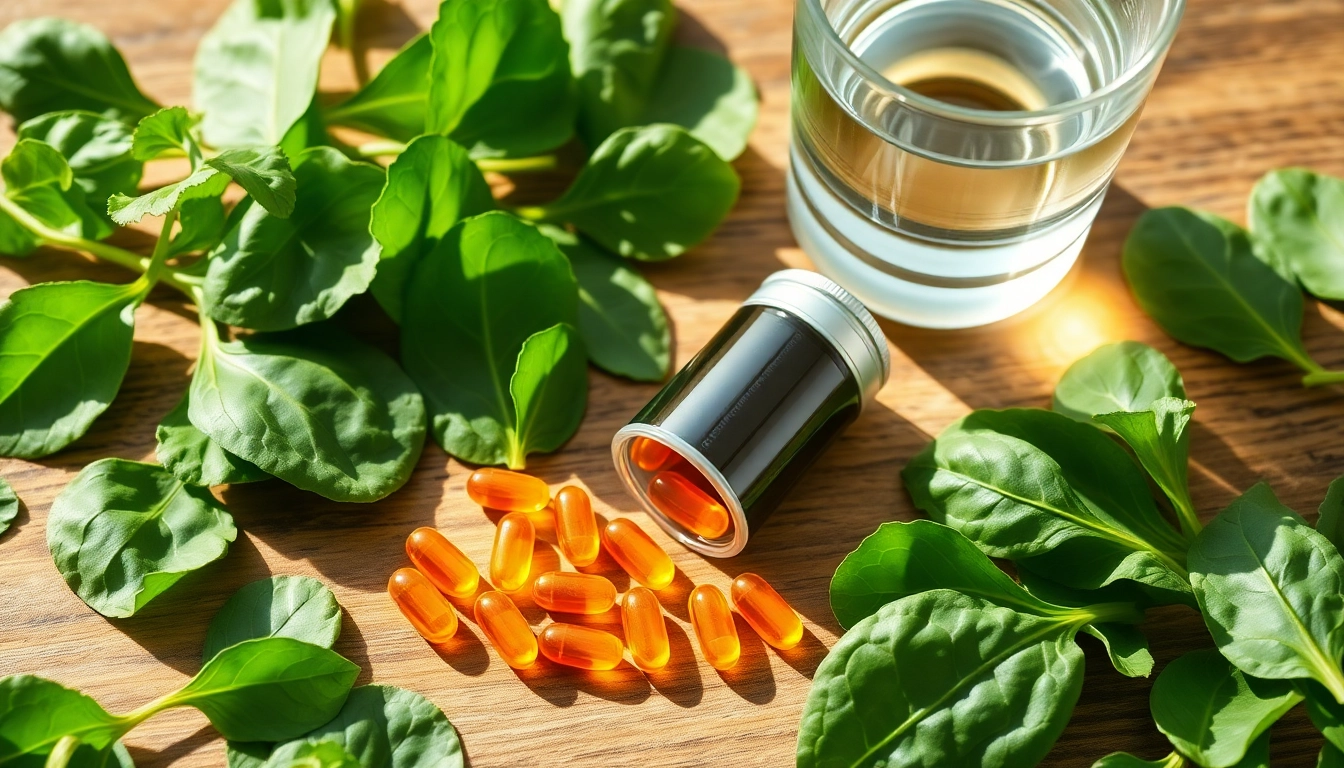
While food sources are beneficial, astaxanthin supplements offer a more concentrated form of the carotenoid. Supplements can provide consistent dosages, ensuring that individuals receive the necessary amounts for health benefits. However, incorporating natural food sources into your diet is recommended for holistic health.
Meal Ideas Featuring Astaxanthin
Incorporating astaxanthin-rich foods into your meals can be both delicious and nutritious. Here are some meal ideas:
- Grilled Salmon Salad: Toss grilled salmon on a bed of mixed greens with olive oil dressing.
- Krill Oil Smoothie: Blend berries with yogurt and a spoonful of krill oil for a nutrient-packed drink.
- Algae-Based Pasta: Try pasta made from algae for an innovative and healthy dish.
Potential Side Effects and Precautions
Common Side Effects of Excessive Dosage
While astaxanthin is generally considered safe, excessive dosages can lead to side effects, including:
- Digestive issues like stomach cramps and diarrhea.
- Changes in skin tone, resulting in a yellow-orange hue with very high doses.
- Interference with blood pressure medications in some individuals.
Who Should Avoid Astaxanthin?
Certain populations should exercise caution or avoid astaxanthin, including:
- Pregnant or breastfeeding women, due to insufficient safety data.
- Individuals with allergies to seafood, as some sources are derived from crustaceans.
- Those scheduled for surgery, as astaxanthin may affect blood clotting.
Consultation with Healthcare Providers
Before introducing astaxanthin supplements into your routine, consulting a healthcare provider is crucial. They can provide insights tailored to your individual health needs, ensuring safe and effective usage aligned with any existing medications or conditions.
Frequently Asked Questions about Astaxanthin Dosage
How Much Astaxanthin is Safe to Take Daily?
The safe daily intake typically ranges from 4 to 12 mg, depending on individual health factors. Always consult a healthcare provider for personalized recommendations.
Can Astaxanthin Help with Skin Health?
Yes, astaxanthin is known for its ability to protect skin from UV damage, improve skin elasticity, and enhance overall skin appearance.
Is it Safe to Use Astaxanthin While Pregnant?
It is advisable to avoid astaxanthin supplements during pregnancy due to insufficient safety data. Always seek medical advice.
How Long Does it Take to See Astaxanthin Effects?
Effects can vary, but some individuals may begin to notice improvements in skin and energy levels within a few weeks of consistent use.
Can You Get Astaxanthin from Food Sources Alone?
Yes, astaxanthin can be obtained from food sources such as salmon and krill, but supplements may offer a more concentrated dose for specific health goals.