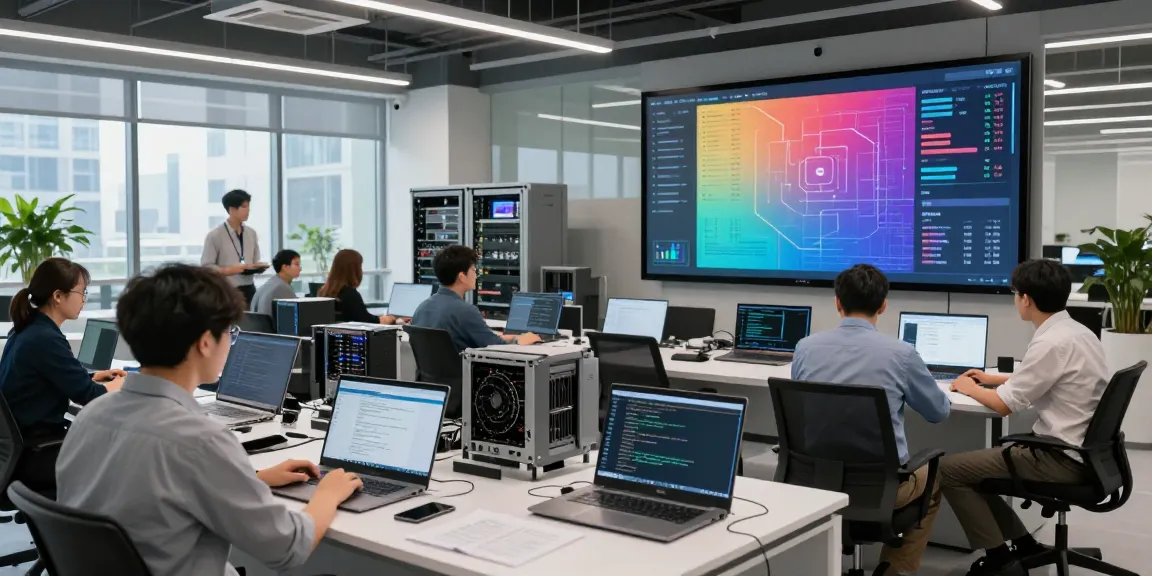
Understanding Queue Detection Software
In today's fast-paced world, managing customer flow effectively is crucial for businesses across various sectors, including retail, transportation, and healthcare. Queue detection software has emerged as an essential technology to streamline operations by providing real-time insights into customer queuing behavior. Through advanced algorithms and data analytics, this software not only tracks the number of people in a queue but also predicts congestion points, enabling businesses to enhance customer experiences significantly. With the right queue detection software, companies can optimize their service delivery and operational efficiency.
What is Queue Detection Software?
Queue detection software consists of systems and tools designed to monitor and analyze queues. Using various technologies such as video surveillance, sensors, and artificial intelligence, these solutions provide real-time data on queue length, wait times, and customer flow. The primary objective of queue detection software is to reduce waiting times and improve customer satisfaction by providing actionable insights into operations.
Key Features and Functionalities
The effectiveness of queue detection software is largely determined by its features. Some key functionalities include:
- Real-Time Monitoring: Live tracking and updates on queue length and wait times allow businesses to respond quickly to congestion.
- Predictive Analytics: Uses historical data to forecast peak times and propose staffing adjustments, leading to better customer experiences.
- Reporting and Analytics: Comprehensive data reports enable businesses to analyze customer behavior and optimize operations effectively.
- Integration Capabilities: Ability to integrate with existing systems such as point-of-sale or traffic management for cohesive operations.
How Queue Detection Software Works
The functioning of queue detection software involves several steps:
- Data Collection: Information is gathered through cameras, sensors, or mobile applications that detect customer movement.
- Data Processing: Collected data is analyzed using algorithms that can predict customer behavior and traffic flow.
- Notification and Alerts: Systems send alerts to management when queues exceed predefined thresholds, enabling timely interventions.
Benefits of Implementing Queue Detection Software
Optimizing Customer Experience
One of the primary benefits of queue detection software is the enhancement of customer experience. By reducing wait times and providing customers with insights into their position in the queue, businesses can alleviate frustration. Enhanced customer experience not only leads to higher satisfaction rates but also customer retention, as people are likely to return if they experience shorter waits and more efficient service.
Improving Operational Efficiency
Queue detection software helps businesses streamline operations by identifying bottlenecks and optimizing staff deployment. By knowing when to increase personnel during peak times, organizations can maintain service quality and reduce operational costs. This leads to better resource allocation and improved overall efficiency.
Data-Driven Decision Making
With access to data analytics and reports, businesses are empowered to make informed decisions based on real-time data. They can analyze trends over time, adjust operational strategies, and forecast future demands. These insights pave the way for strategic improvements and long-term growth.
Types of Queue Detection Software
Real-Time Monitoring Solutions
Real-time monitoring solutions provide immediate data on queue metrics, enabling businesses to react quickly to changing conditions. These solutions often involve video monitoring systems equipped with image processing capabilities to count individuals and evaluate wait times accurately.
Predictive Analytics Tools
Predictive analytics tools focus on forecasting future queue behavior based on historical data. By analyzing past peak hours and service times, these tools can help businesses prepare for high traffic events and adjust their operations consequently, ultimately leading to improved service delivery.
Integration with Other Systems
Queue detection software increasingly integrates with other systems, such as customer relationship management (CRM) and point-of-sale (POS) systems. This integration allows for cohesive operations where businesses can manage not only customer flow but also sales data and customer history for a holistic view of business performance.
Challenges in Queue Detection Software Implementation
Technical Barriers and Solutions
Implementing queue detection software can pose technical challenges such as hardware compatibility, software integration, and system maintenance. Businesses should conduct a thorough assessment of their existing infrastructure before implementation. Working with technology providers can help overcome these barriers and ensure smooth deployment.
User Acceptance and Training
Adopting new technologies often meets resistance from staff unfamiliar with the system. Proper training and communication are essential to encourage user acceptance. Companies should design training sessions that explain the software's functionalities and the benefits it brings to both employees and customers.
Maintenance and Support Needs
Regular maintenance and technical support are critical to the successful operation of queue detection software. Organizations must establish a maintenance plan with their software provider to ensure timely updates and troubleshooting, providing a seamless operation that users can rely on.
Future Trends in Queue Detection Software
Artificial Intelligence and Automation
The incorporation of artificial intelligence (AI) into queue detection software is expected to revolutionize the field. AI can enhance predictive capabilities, reduce manual input for analytics, and improve the overall accuracy of queue management systems, thereby leading to more intelligent business decisions.
Enhanced Data Privacy Solutions
With increasing concerns over privacy and data protection, future queue detection solutions will likely focus more on safeguarding personal data. This will involve compliance with regulations and the implementation of data anonymization techniques to protect customer information while still providing valuable insights.
Integration with Smart City Initiatives
The role of queue detection software will expand as cities become smarter. These systems will integrate with urban traffic management solutions to enhance overall city infrastructure, helping to alleviate congestion and improve the overall flow of people through urban environments.
Frequently Asked Questions
What is queue detection software used for?
Queue detection software monitors customer lines to reduce wait times, optimize staffing, and enhance the overall customer experience in various environments, including retail, restaurants, and transportation.
How does queue detection software improve customer experience?
By providing real-time data on queue lengths and wait times, businesses can manage customer flow more effectively, leading to reduced wait times and greater customer satisfaction.
What technologies are involved in queue detection?
Queue detection software utilizes technologies like video surveillance, sensors, and advanced analytics to track customer movement and monitor queue conditions accurately.
Can queue detection software integrate with existing systems?
Yes, most queue detection software solutions are designed to integrate seamlessly with existing systems like point-of-sale and customer relationship management systems for optimal performance.
What are the main challenges of implementing queue detection software?
Main challenges include technical barriers in integration, ensuring user adoption among staff, and establishing ongoing maintenance and support. Proper planning and training can mitigate these issues.