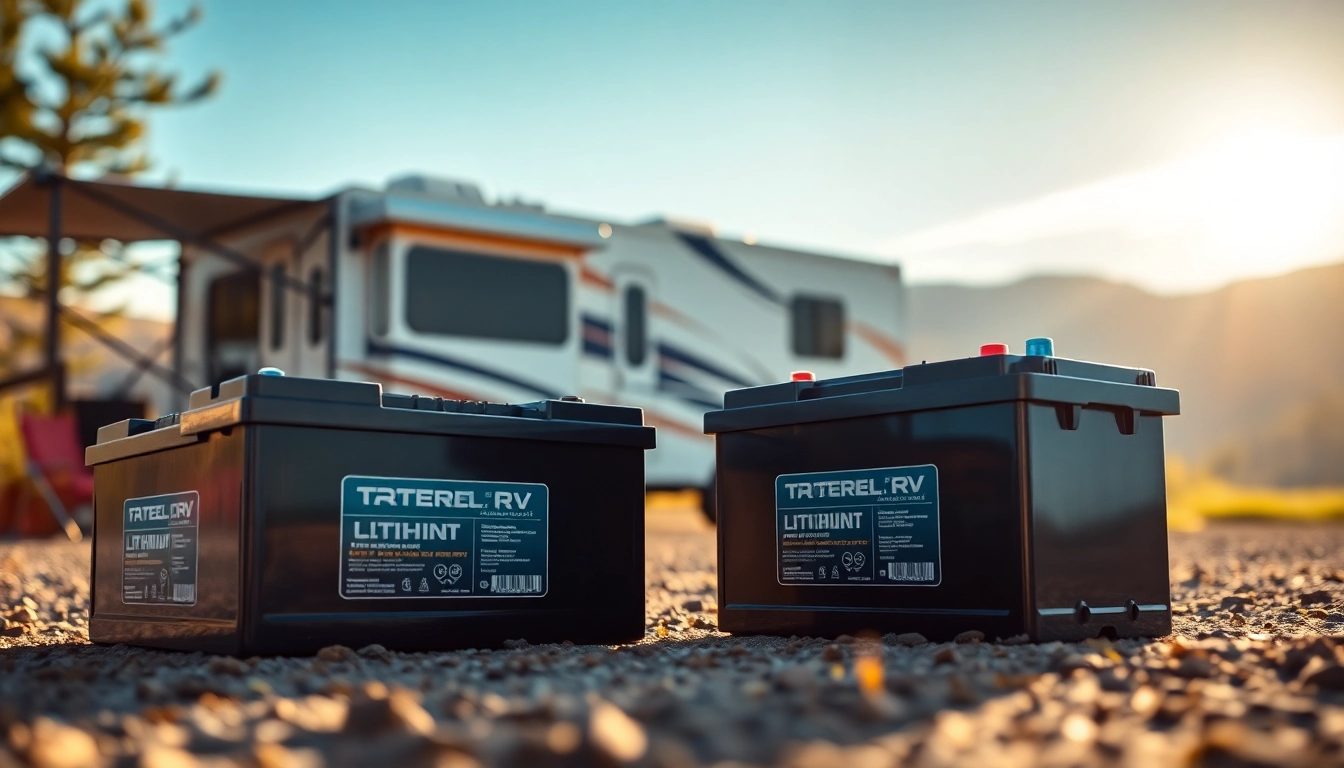
Understanding Lithium RV Batteries
What Are Lithium RV Batteries?
Lithium RV batteries are advanced energy storage devices designed specifically for recreational vehicles (RVs), providing high performance and efficiency. Unlike traditional lead-acid batteries, lithium RV batteries utilize lithium iron phosphate (LiFePO4) technology, which offers superior lifespan and energy density. These batteries are lightweight, have a fast charging capability, and can deliver more energy than their lead-acid counterparts. This makes them an ideal choice for RV enthusiasts seeking reliable power on the road.
Benefits of Lithium RV Batteries
The advantages of using lithium RV batteries are numerous:
- Longer Lifespan: With a lifespan often exceeding 10 years, lithium batteries significantly outlast lead-acid batteries.
- Higher Depth of Discharge: Lithium RV batteries can be discharged up to 80-100%, whereas lead-acid batteries should only be discharged to about 50% to avoid damage.
- Fast Charging: Lithium batteries charge much faster than lead-acid batteries, allowing you to get back on the road quicker.
- Lightweight: They are significantly lighter, which can help improve your vehicle’s fuel efficiency.
- Safety: Lithium batteries are safer when properly managed, as they do not vent gas and are less likely to suffer from thermal runaway.
Common Myths About Lithium RV Batteries
Despite their advantages, there are several misconceptions about lithium RV batteries that can deter RV owners from making the switch:
- High Cost: While initial costs are higher, their longevity and efficiency can result in lower overall costs.
- Compatibility Issues: Many people believe lithium batteries can't work with older RVs or existing systems, but most modern converters and inverters support them.
- Weight Concerns: Lithium batteries are lighter than lead-acid equivalents, making them a favorable choice for reducing RV weight.
Choosing the Right Lithium RV Batteries
Battery Sizes and Capacities
When selecting lithium RV batteries, it's essential to consider the various sizes and capacities available. RV batteries typically range from 100Ah to over 400Ah. Your requirements will depend on how much power you consume, which includes appliances, lights, and electronic devices:
- 100Ah Batteries: Suitable for small RVs or short trips.
- 200Ah Batteries: Ideal for mid-sized RVs with moderate power needs.
- 400Ah and Above: Best for larger RVs or households with heavy power usage, ideal for boondocking trips.
Voltage Requirements for Your RV
Most RVs operate on a 12V system, but some may use 24V or even 48V systems. When selecting lithium RV batteries, ensure that you choose batteries compatible with your RV's voltage requirements. You may also need a battery monitoring system to keep track of your battery's health and performance.
Factors to Consider When Buying
Several factors should guide your purchasing decision:
- Brand Reputation: Established brands often provide better quality and support.
- Warranty: Check the warranty period, as it often indicates the manufacturer’s confidence in their product.
- Customer Reviews: Look for feedback from other RV owners to gauge performance and reliability.
Installation and Maintenance of Lithium RV Batteries
Step-by-Step Installation Guide
Installing lithium RV batteries can be straightforward if you follow these steps:
- Gather Your Tools: You will need wrenches, wire connectors, and a battery monitor.
- Disconnect Power: Always disconnect your RV from power before installation to avoid electrical shocks.
- Position Batteries: Place the new lithium batteries in the designated battery compartment.
- Connect Wires: Connect the positive (+) and negative (-) terminals appropriately. Ensure all connections are secure.
- Install Battery Monitor: Connect a battery monitor to track the charge level and health of your batteries.
- Test the System: Reconnect power and test the system before heading out.
Maintenance Tips for Optimal Performance
To ensure your lithium RV batteries continue to perform well, follow these maintenance tips:
- Regular Checks: Periodically check the connections for corrosion and tightness.
- Keep Charged: Ensure your batteries remain charged; avoid letting them discharge completely.
- Store Properly: If not in use for extended periods, store batteries in a cool, dry place.
Common Issues and Troubleshooting
Here are some common issues and their troubleshooting steps:
- Battery Not Charging: Check the connections and ensure the charger is compatible with lithium technology.
- Unusually Short Runtime: This may indicate a battery fault; consider reaching out to the supplier for testing.
- Overheating Batteries: Ensure proper ventilation around the batteries and avoid exposing them to high heat.
Cost Considerations for Lithium RV Batteries
Initial Investment vs. Long-Term Savings
While the upfront cost of Vatrer Power is higher than lead-acid alternatives, it's essential to consider potential savings. With a longer lifespan and fewer replacements, lithium batteries can lead to savings over time. Additionally, their lightweight design can improve your RV’s fuel efficiency, providing further financial benefits.
Understanding Warranty and Lifespan
The lifespan of lithium RV batteries typically spans 10 years or more, depending on usage and maintenance. A good warranty often indicates the manufacturer's faith in their product—look for warranties of at least five years to ensure you are making a sound investment.
Financing Options for Upgrading
If the upfront cost is a concern, several financing options are available. Retailers may offer financing plans, or you can consider taking out a personal loan or using credit cards. Weigh the interest against potential savings from improved energy efficiency.
FAQs about Lithium RV Batteries
Are lithium batteries worth it for an RV?
Yes, lithium batteries are highly efficient, have a longer lifespan, and can provide more usable energy compared to lead-acid batteries, making them a worthwhile investment for frequent RV users.
How long will a lithium battery last in my RV?
A well-maintained lithium battery can last between 10 to 15 years, significantly longer than traditional batteries, depending on usage and care.
Can I use lithium batteries with my existing charger?
It depends on the charger. Ensure it is compatible with lithium technology 12V 300Ah Lithium Battery, as lithium batteries have different charging requirements than lead-acid batteries.
How do I maximize the lifespan of my lithium RV batteries?
Maintain a charging routine, avoid deep discharges, store them at moderate temperatures, and regularly inspect connections for optimal performance and longevity.
What should I do if my lithium battery is not charging?
Check the charger compatibility, inspect connections, and look for any visible damage to the battery. If issues persist, contact the supplier for further assistance.