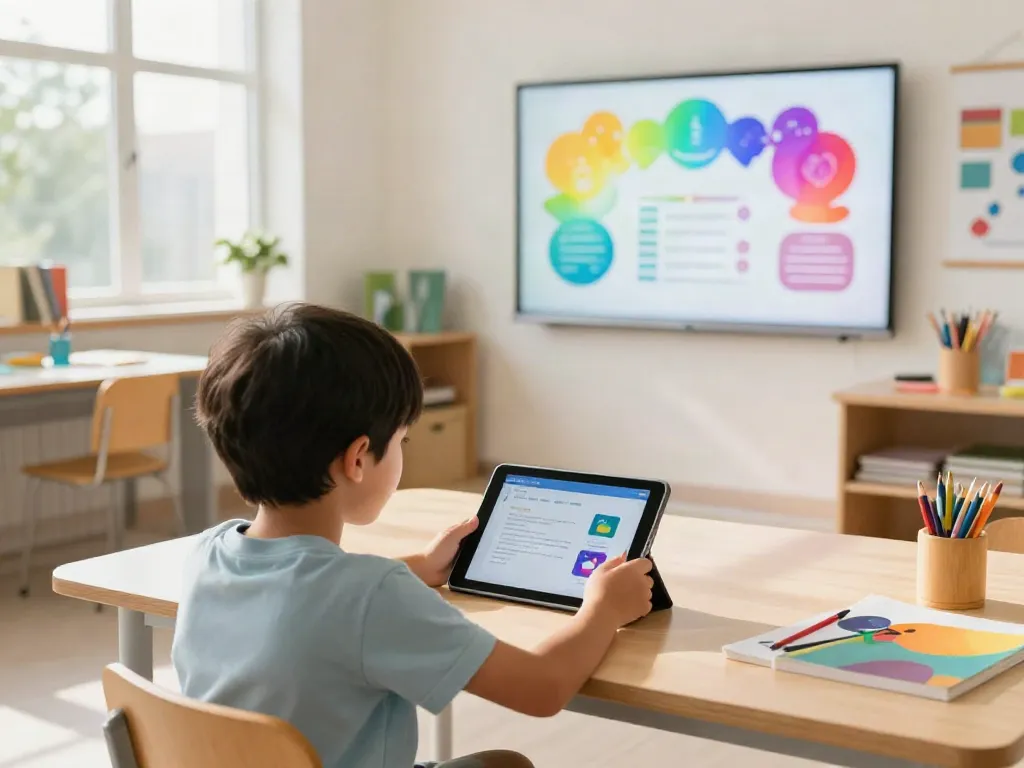
Understanding the Importance of Interactive Learning
In the evolving landscape of education, interactive learning has taken center stage, particularly for younger audiences. This approach not only captivates the curiosity of children but also enhances their engagement and retention of information. With the ever-growing presence of digital content, parents and educators are constantly on the lookout for reliable platforms that offer educational resources enriched with interactivity. For those exploring options, see this website for comprehensive insights into innovative educational tools and strategies.
Why Kids Engage More with Digital Content?
Digital content, characterized by its dynamic and interactive nature, grabs children's attention like no traditional media can. Children are inherently curious, and platforms that utilize multimedia elements—such as videos, animations, and interactive games—engage multiple senses at once. Studies show that children retain information more effectively when it is presented in a visually appealing format. Furthermore, the immediate feedback that digital content provides reinforces learning and encourages exploration.
Key Benefits of Learning Through Play
Learning through play is not just an age-old adage; it is backed by extensive research. Play-based learning fosters creativity, critical thinking, and problem-solving skills. It allows children to experiment in a safe environment without the fear of failure. Moreover, play encourages social interaction and teamwork, essential skills in today's collaborative world. By integrating educational content into play, children can learn about various subjects, from science to history, in an engaging manner that promotes deeper understanding.
Best Practices in Designing Educational Websites
Creating an effective educational website requires careful consideration of design principles that enhance user experience. Key practices include:
- User-Friendly Navigation: Websites must be easy to navigate, allowing children and parents to find resources quickly.
- Responsive Design: With many children accessing content on tablets and smartphones, websites must adapt to various screen sizes.
- Interactive Elements: Incorporating quizzes, games, and videos can significantly boost engagement and learning outcomes.
- Age-Appropriate Content: Websites must offer content tailored to different age groups, ensuring relevancy and appropriateness.
How to Evaluate Educational Resources
In a digital world overflowing with educational resources, discerning which platforms offer credible and effective learning materials is crucial. Evaluating these resources involves several strategic steps that ensure both quality and appropriateness for children.
Identifying Credible Sources
When assessing educational websites, parents should look for credentials and endorsements from educational bodies. Reputable platforms often feature reviews or testimonials from educators and experts in child development. Furthermore, checking the website's ownership and mission statement can provide insights into its authenticity and commitment to quality education.
Analyzing Educational Value of Websites
Not all content is created equal. When evaluating educational resources, consider the following criteria:
- Curriculum Alignment: Quality educational websites align their content with established educational standards and curricula.
- Depth of Content: Look for websites that offer comprehensive coverage of topics, including supplementary materials like worksheets or discussion prompts.
- Engagement Metrics: High engagement levels, such as frequent updates and active community discussions, can indicate a resource's value.
Parental Guidance and Monitoring Tools
While many educational websites offer self-directed learning opportunities, parental involvement remains key. Employing monitoring tools can help parents track their children's progress and ensure they are accessing appropriate content. Many platforms provide dashboards or regular reports that summarize what children have learned, making it easier for parents to engage in their educational journeys.
Strategies for Effective Digital Learning
To harness the full potential of digital learning, parents and educators must implement effective strategies that promote balanced, enriching experiences for children.
Creating a Balanced Screen Time Schedule
Establishing a healthy balance between screen time and offline activities is essential for children's well-being. Create schedules that allocate specific times for educational screen use, mixed with periods for physical activity or creative play. Some experts recommend following the 2:1 rule: for every hour of screen time, there should be at least two hours of physical or creative activity.
Incorporating Offline Activities
To complement digital learning, it’s beneficial to integrate offline activities that reinforce online lessons. This could involve hands-on projects related to subjects studied online, such as science experiments or art projects inspired by a history lesson. By connecting digital content with real-world applications, children can deepen their understanding and retain information more effectively.
Techniques to Foster Independent Learning
Encouraging independent learning is critical in developing children's self-sufficiency and confidence. Here are techniques loved by educators:
- Choice-Based Learning: Allow children to choose topics that interest them, motivating them to engage more deeply.
- Goal Setting: Encourage children to set personal learning goals, creating a sense of ownership in their educational journey.
- Reflection Opportunities: Provide time for children to reflect on what they’ve learned and how they can apply it, fostering metacognitive skills.
Trends in Educational Technology for 2026
As educational technology continues to evolve, several exciting trends are emerging that promise to reshape the landscape of learning. Staying informed about these trends can help parents and educators harness new tools effectively.
Emerging Tools and Platforms
New tools are constantly being developed to enhance educational experiences. For instance, augmented reality (AR) and virtual reality (VR) applications are beginning to offer immersive learning experiences that help students visualize complex concepts. Additionally, artificial intelligence (AI) is being utilized to create personalized learning paths that cater to individual student needs, adapting in real-time to their learning pace.
Future of Gamification in Education
Gamification—using game design elements in non-game contexts—is gaining traction as a powerful educational approach. It not only makes learning fun but also motivates students by rewarding their achievements and encouraging competition. Incorporating elements like badges, leaderboards, and challenges can transform mundane subjects into exciting quests for knowledge.
Collaborative Learning Experiences Online
Online collaboration tools are making it easier for students to work together, regardless of their physical location. Platforms that allow for shared projects, discussions, and problem-solving can enhance the learning experience while fostering teamwork and communication skills vital in the 21st century workplace.
Frequently Asked Questions
What website can I use to watch videos?
Several educational websites feature video content designed for children. Look for platforms that curate quality materials, ensuring that they are age-appropriate and educational. These may include sites like PBS Kids and National Geographic Kids, which offer a blend of entertainment and learning.
What can kids use instead of YouTube?
For children seeking safe video alternatives to YouTube, platforms like Kidoodle.TV and Sensical provide pre-screened content that is suitable for kids. These platforms focus on educational and entertaining content that aligns with children's developmental needs.
What is the best website to search for educational videos?
When searching for educational videos, it's beneficial to use curated sites like The Kid Should See This. This platform offers a plethora of curated educational videos spanning various subjects, making it a valuable resource for both parents and educators.
How do I ensure a website is safe for my child?
To ensure a website is safe for children, look for sites that use parental controls and have clear content guidelines. Websites should also be transparent about their data privacy policies and should avoid collecting unnecessary personal information from users.
What are engaging offline activities for kids learning online?
Engaging offline activities can include science experiments, creative art projects, and reading sessions. Incorporating these activities reinforces lessons learned online and provides a well-rounded educational experience that nurtures multiple skills.