The Importance of Breton Culture in Modern Society
Breton culture, with its rich tapestry of traditions, arts, and community spirit, serves as a significant pillar of identity for the people of Brittany, particularly in the vibrant region of Rennes. As globalization hurries on, the preservation and promotion of regional identities become crucial. Through cultural events, community engagement, and artistic expression, Breton culture continues to evolve while maintaining its unique characteristics. Understanding the essence of Breton culture is not only vital for those within the region but also provides valuable insights to outsiders and tourists looking to appreciate the depth of this heritage. When exploring options, เกมสล็อต offers comprehensive insights into various cultural events that honor this legacy.
Understanding Breizh's Cultural Heritage
Breton culture, or "Breizh" in the local language, encompasses a variety of elements including music, dance, folklore, and language. It has evolved over centuries, influenced by Celtic traditions, French governance, and local customs. The preservation of the Breton language, for instance, is an integral part of cultural heritage, with ongoing efforts to integrate it into schools and public life. Festivals like the Festival Interceltique de Lorient serve as platforms for showcasing Breton music and dance, allowing for a deep appreciation of traditional forms alongside contemporary expressions.
Key elements of Breizh's cultural heritage include:
- Traditional Music: Instruments like the bombard and biniou, alongside modern adaptations, create a vibrant musical scene.
- Celtic Festivals: Events that celebrate the richness of Celtic culture, drawing thousands of visitors each year.
- Folklore and Mythology: Stories woven through generations that reflect the values and history of the Breton people.
How Festivals Promote Cultural Identity
Festivals play a pivotal role in promoting cultural identity in Brittany. They not only gather communities but also attract tourists, providing economic benefits while fostering cultural pride. The unique blend of traditional Breton and contemporary artistic expressions at these events offers a holistic view of the region's culture.
Noteworthy festivals include:
- Festival Interceltique de Lorient: A major event celebrating Celtic culture from various regions, showcasing Breton art, music, and gastronomy.
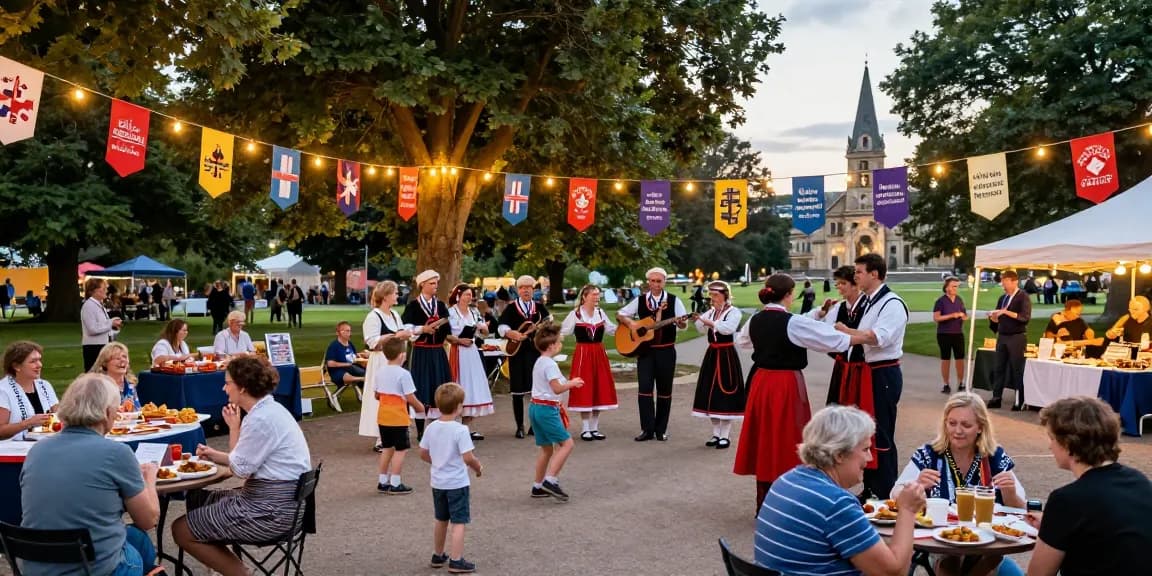
- Fest Noz: Traditional night festivals where people gather to dance and celebrate Breton music, reinforcing community bonds.
- Celtic Connections: A festival that emphasizes the connection between Brittany and other Celtic regions through collaborative performances.
Challenges Facing Traditional Art Forms
Despite the vibrant cultural landscape, traditional art forms face significant challenges. Globalization poses a threat to local customs as younger generations gravitate towards more contemporary and digital entertainment. Additionally, funding for cultural initiatives can be scarce, leading to reduced programs that sustain traditional practices.
To combat these challenges, stakeholders are focusing on:
- Developing educational programs that include cultural training for youth.
- Leveraging technology to promote and preserve traditional arts.
- Encouraging collaborations between traditional artists and contemporary creators.
Exploring the Role of Associations in Cultural Development
Associations play a critical role in the cultural development of Brittany, acting as facilitators for various cultural initiatives and events. They not only support local artists but also foster a sense of belonging among members of the community. Organizations such as Skeudenn Bro Roazhon are instrumental in bringing together over 50 member associations, each contributing to the rich tapestry of Breton culture.
Key Organizations Supporting Breton Culture
Many organizations are dedicated to promoting and preserving Breton culture. Some key players include:
- Skeudenn Bro Roazhon: This association organizes events like the Mercredis du Thabor, promoting local artists and cultural heritage.
- Breton Language Consortium: Focuses on the revival and promotion of the Breton language through education and media.
- Festivals Committee: Oversees the coordination of multiple cultural festivals throughout the year.
How Local Associations Foster Community Engagement
Local associations are at the heart of community engagement, encouraging residents to participate in cultural activities. They provide platforms for artistic expression, facilitate workshops, and host events that celebrate local customs. By involving community members in planning and execution, these organizations ensure that cultural initiatives resonate with the local populace.
Impact of Collaborations on Cultural Events
Collaborations among associations, artists, and local businesses strengthen the impact of cultural events. By pooling resources and expertise, they are able to present more comprehensive and inclusive experiences that attract diverse audiences. These collaborations can lead to innovative programming that combines traditional practices with modern trends, enhancing cultural relevancy.
Event Planning: Best Practices for Cultural Festivals
Planning a successful cultural festival involves careful consideration of various elements, from logistics to community involvement. Implementing best practices can ensure that these events run smoothly and effectively promote cultural heritage.
Steps to Organize a Successful Cultural Event
The following steps can help ensure the success of a cultural festival:
- Define Objectives: Establish clear goals for the festival—whether it's promoting local artists, increasing tourism, or celebrating a specific aspect of culture.
- Engage Stakeholders: Involve local associations, businesses, and artists in the planning process to foster community buy-in and support.
- Marketing and Promotion: Utilize various channels, including social media and local press, to reach potential attendees.
- Logistics Planning: Consider venue, timing, and accessibility to ensure a welcoming environment for all.
- Post-Event Evaluation: Gather feedback from participants and stakeholders to assess impact and improve future festivals.
Engaging the Community: Strategies for Inclusion
Inclusivity is key to the success of any cultural festival. Strategies for ensuring diverse participation may include:
- Offering free or low-cost entries to encourage attendance from all economic backgrounds.
- Providing multilingual materials to cater to non-Breton speakers.
- Involving various cultural groups within the community to highlight a range of artistic expressions.
Measuring Success: Evaluating Festival Impact
Evaluating the success of a cultural festival can be complex but essential. Metrics to consider include:
- Attendance numbers compared to previous events.
- Participant feedback and satisfaction ratings.
- Economic impact on local businesses during the festival.
- Media coverage and public awareness generated.
Emerging Trends in Cultural Engagement
The cultural landscape is ever-evolving, and several trends are shaping how communities engage with their heritage. Understanding these trends can help organizations adapt and thrive.
The Rise of Digital Platforms for Culture Promotion
Digital platforms have become increasingly important for cultural promotion. They allow for wider reach and engagement, particularly among younger audiences. Live streaming, social media storytelling, and virtual galleries enable people to experience cultural events from anywhere.
Inclusivity in Cultural Representation
There's a growing emphasis on inclusivity within cultural representation. This means not only highlighting diverse voices but also ensuring that marginalized groups actively participate in cultural practices and expressions. Festivals are beginning to showcase a wider array of traditions and narratives, enriching the cultural dialogue.
Future of Cultural Festivals: Hybrid Models
The future of cultural festivals likely lies in hybrid models that merge in-person and virtual experiences. This approach allows for broader participation while maintaining the intimate atmosphere of physical gatherings. Hybrid events can cater to diverse audiences globally, enhancing accessibility for those unable to attend in person.
Case Studies: Successful Breton Cultural Events
Examining successful cultural events can provide valuable insights into best practices and future directions for similar initiatives. These case studies showcase the impact of well-organized festivals in promoting Breton culture.
Analysis of Recent Festivals and Their Impact
Recent festivals, such as the Festival Interceltique de Lorient and the Mercredis du Thabor, have demonstrated remarkable success in attracting both local and international audiences. These events have revived interest in traditional art forms and fostered community pride in cultural heritage.
Lessons Learned from Cultural Initiatives
Key lessons from these events include:
- Emphasizing community involvement and collaboration to create relatable programming.
- Adapting to changing audience preferences by incorporating contemporary art forms.
- Leveraging partnerships with local businesses for mutual benefit.
Future Directions for Breton Cultural Events
As the cultural landscape evolves, future Breton cultural events may need to focus on sustainability and environmental consciousness, ensuring they do not only celebrate heritage but also respect the environment. Additionally, increasing digital engagement will likely shape how culture is promoted and experienced moving forward.
What are the most popular Breton festivals?
The most popular Breton festivals include the Festival Interceltique de Lorient, Fest Noz, and numerous local traditions celebrated throughout the year. Each festival offers a unique flavor of Breton culture, attracting thousands of visitors.
How can I participate in local cultural events?
Community involvement is crucial. Interested individuals can participate by volunteering, attending events, or joining local associations that promote cultural heritage.
What challenges do associations face in promoting culture?
Challenges include securing funding, maintaining engagement among younger generations, and competing with global entertainment options. Overcoming these hurdles requires innovative strategies and community support.
How to measure the success of a cultural event?
Success can be measured through attendance figures, participant satisfaction surveys, and media reach, helping organizations understand their impact and areas for improvement.