Understanding Facial Age Estimation Technology
In recent years, the fascination with age estimation tools has surged, primarily due to advancements in artificial intelligence and image processing technology. The question "how old do I look" is often more than just a playful inquiry; it reflects societal perceptions of age and beauty. As more people turn to online platforms to determine their apparent age, understanding the underlying technology that powers these tools becomes essential.
What is Facial Age Estimation?
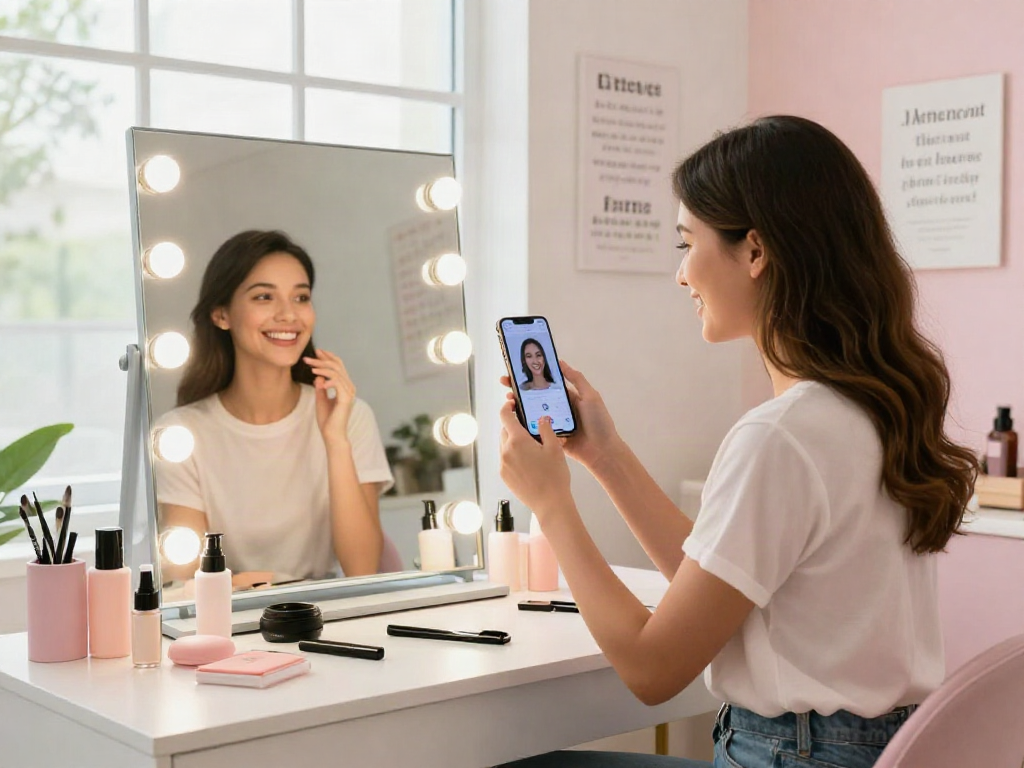
Facial age estimation refers to the use of algorithms and artificial intelligence to predict a person’s age based solely on their facial features. This prediction is often accomplished by analyzing specific traits, such as wrinkles, skin texture, and facial contours. The results can vary widely and may serve various purposes, from entertainment to beauty enhancement and even social engagement.
How Does AI Analyze Your Appearance?
AI systems typically utilize deep learning techniques to evaluate images of faces. Through training on vast datasets of facial images labeled with the corresponding ages, these models learn to identify features that correlate with aging. When a user uploads a photo, the algorithm compares the facial features with the learned data to generate an age estimate. This process involves complex computations that assess nuances in facial structure and skin condition.
Key Technologies Powering Age Detection Tools
- Machine Learning: The backbone of age estimation technology, allowing algorithms to learn from data and improve over time.
- Convolutional Neural Networks (CNNs): Specialized deep learning models that excel in image processing tasks.
- Data Annotation: Essential for training the algorithms, involves categorizing thousands of facial images with age labels.
Why Knowing How Old You Look Matters
Understanding perceived age can have significant implications for individuals in various domains, from personal confidence to social interactions. The question of "how old do I look" has become a common icebreaker and a point of curiosity in social settings.
Impact on Self-Confidence and Perception
The way individuals perceive their age can drastically influence their self-esteem. Many people tie their self-worth to how they look, and age estimation tools can either bolster confidence or lead to insecurities. For example, a younger-looking appearance may enhance social and professional opportunities, while looking older than one’s actual age can lead to negative self-assessment.
Cultural Influences on Age Appearance
Different cultures have varying perceptions of age and beauty. In several societies, youth is celebrated, leading individuals to seek tools that confirm a youthful appearance. Conversely, some cultures may value maturity and the wisdom that comes with age. These contrasting views shape how and why people use age estimation technology.
How Age Estimation Affects Social Interactions
Perceived age can influence how individuals are treated in social environments. Gaining insight into how others view one's age can affect everything from dating prospects to workplace dynamics. Understanding perceived age can provide a competitive edge in social interactions.
Using Age Estimation for Fun and Entertainment
Beyond its serious implications, age estimation serves as a source of entertainment. Many users engage in challenges or social media trends based on the question of how old they look, leading to a surge in interactive applications and tools for casual use.
Popular Apps and Online Tools for Age Guessing
A range of apps and websites offers users the ability to upload a photo to receive an age estimation. Some popular choices include FaceAge.ai and Fotor, which allow users to see how their facial features measure against age predictions in a fun and engaging manner.
Creative Uses: Social Media Trends and Challenges
Social media platforms have seen the rise of various challenges revolving around age estimation. Users often share their results, creating a sense of community and encouraging others to participate. This viral nature of age estimation contributes to its popularity.
Engaging Friends: Making it a Fun Activity
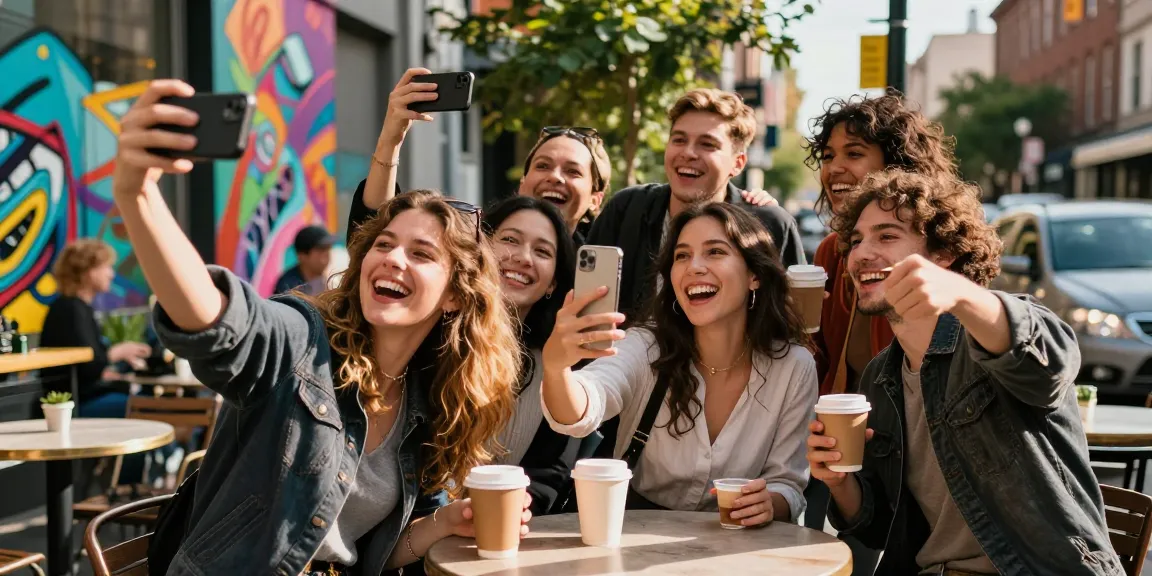
Using age estimation tools can also serve as a fun group activity. Friends can compare results, leading to lighthearted banter and discussions around aging and beauty. These engagements can enhance social bonds and lessen the seriousness surrounding age perception.
Best Practices for Accurate Age Estimation
While using age estimation tools can be amusing, ensuring accuracy is essential for meaningful results. Understanding how to optimize photo submissions and recognizing the limitations of these tools will lead to better experiences.
Optimizing Photos for Better Accuracy
To receive a more accurate age estimation, users should ensure that the uploaded photo meets specific criteria. Good lighting, a clear view of the face, and minimal obstructions (like hats or sunglasses) can enhance the accuracy of the age prediction.
Understanding Limitations of AI Tools
Although AI has made significant strides, it’s important to remember that these algorithms are not infallible. Factors such as lighting, photo quality, and even ethnic variations can impact the accuracy of age estimation. Users should view results as estimates rather than precise calculations.
Privacy Concerns: What You Should Know
As with any technology handling personal images, privacy is a paramount concern. Users should consider how their data is stored and used, ensuring that any application or website complies with privacy regulations to protect personal information.
Future Trends in Age Estimation Technology (2026 and Beyond)
The landscape of age estimation technology is continually evolving. As we move toward 2026, we can anticipate significant advancements that will shape how these tools are integrated into our lives.
Advancements in AI and Machine Learning
Future developments may include enhanced algorithms that improve accuracy and machine learning models capable of adapting to diverse populations and conditions. This evolution will lead to more personalized age estimation experiences.
Integration of Age Estimation in Everyday Apps
We can expect age estimation technology to be incorporated into popular social media and photo-editing apps, allowing users to gauge their looks in a fluid and integrated manner. This shift will normalize the use of such technology in everyday activities.
Predicted Developments: What to Expect Next
Future innovations may include augmented reality features that provide real-time age estimation, enhancing user interaction. Additionally, as technology becomes more sophisticated, we might see predictive tools that offer insights not only into perceived age but also health and wellness.
How Will Age Estimation Impact Beauty Standards?
As age estimation tools become commonplace, beauty standards may shift alongside prevailing perceptions of youth and age. The influx of age-related data could challenge societal norms and redefine how we view aging.
Increasing Awareness of Age Appearance in Media
With the rise of age estimation technology, media representation will likely evolve. Public figures may become more transparent about their age, leading to broader discussions about beauty and aging in society.