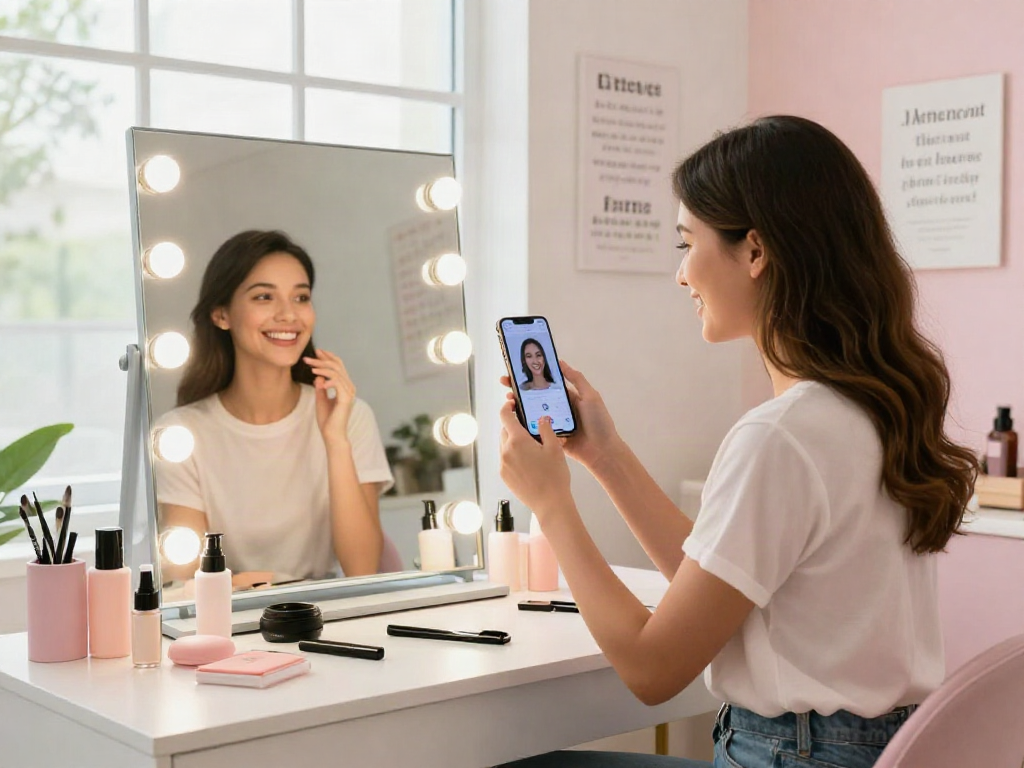
Understanding Attractiveness Testing
In a world where visual impressions hold significant weight, the concept of attractiveness has evolved into a multi-faceted discussion encompassing science, psychology, and personal perception. As people seek validation and insight into their appearances, numerous tools have emerged to help individuals assess their attractiveness through various parameters. However, the core question remains: what exactly does it mean to be attractive? The answer often lies within complex algorithms and subjective measures that differ from person to person. When exploring options, test attractiveness tools provide comprehensive insights into this intricate subject.
What Is the Test Attractiveness Concept?
Attractiveness testing is not merely about visual appeal; it involves analyzing various facial features and characteristics through sophisticated algorithms that often utilize artificial intelligence (AI). These tools may rate individuals based on established beauty standards, such as facial symmetry, proportion, and other aesthetic dimensions. The notion of attractiveness can be traced back to the ancient Greeks, who valued symmetry as a key aspect of beauty, encapsulated in concepts like the Golden Ratio. Today, attractiveness tests leverage technological advancements to provide a score or rating that reflects a subject's perceived beauty according to both classical and contemporary standards.
How AI Tools Enhance Beauty Assessment
The introduction of AI into the realm of beauty has transformed the way attractiveness is assessed. AI algorithms analyze thousands of images to determine common patterns linked to attractiveness. These tools consider factors like facial symmetry, the distance between features, and the overall balance of the face. They often produce a score on a numerical scale, allowing users to gain objective insights into their attractiveness. The use of AI not only makes these tests more accessible but also encourages users to embrace their unique beauty by offering detailed reports that highlight individual strengths and areas for improvement.
The Psychology Behind Attractiveness Ratings
Understanding attractiveness from a psychological perspective reveals much about societal norms and individual perceptions. Research indicates that cultural influences play a significant role in shaping our views on beauty. For instance, some cultures may prioritize different traits that might not align with mainstream beauty standards in Western society. Additionally, the psychological impact of receiving an attractiveness score can vary widely; while some individuals may find motivation to enhance their appearance, others may experience feelings of inadequacy. Therefore, it's crucial to approach attractiveness ratings with a balanced mindset, recognizing that beauty is subjective and multifaceted.
Popular Attractiveness Tests Available Online
Top Free Tools to Test Attractiveness
With numerous platforms available, individuals can access free tools to test their attractiveness online. Some of the most popular tools include:
- Rate My Face: This tool uses AI to provide an attractiveness score based on symmetry and other facial features.
- Beauty.AI: A platform that uses machine learning to analyze facial features and derive a beauty score.
- Face++: An advanced facial recognition software that also includes assessments of attractiveness as part of its feature set.
Users can upload their photos to these platforms, receiving instant feedback on various aspects of their appearance. However, the reliability of these tools can vary, emphasizing the importance of using results as an exploration of beauty rather than a definitive judgement.
Comparison of Leading Attractiveness Test Platforms
While many attractiveness tests share similar underlying technology, differences in user experience and evaluation criteria can significantly influence results. Here’s a quick comparison:
PlatformRating ScaleFactors AnalyzedAdditional FeaturesRate My Face1-10Facial symmetry, proportionsBasic analysis reportBeauty.AI1-100Facial features, skin clarityComparative analysisFace++1-100Facial detection, age estimationEmotion recognition
This comparison illustrates how certain tools might serve different user needs, from casual assessments to in-depth facial analyses.
Factors Considered in Attractiveness Scoring
Attractiveness scoring relies on numerous factors, which can include:
- Facial Symmetry: Considered a universal indicator of beauty.
- Golden Ratio: Measurements aligning with this ratio often influence attractiveness perceptions.
- Skin Quality: Clear skin is frequently associated with youth and health.
- Expression: A friendly demeanor can enhance perceived attractiveness.
These elements, when analyzed collectively, can provide a comprehensive portrait of one’s attractiveness. However, these tests are not definitive and should be interpreted with caution.
Interpreting Your Attractiveness Score
What Do Your Results Mean?
Interpreting your attractiveness score can be both exhilarating and daunting. Scores typically reflect relative attractiveness based on algorithmic evaluations against a vast database of images. Users should remember that these scores are not universal truths but rather reflections of societal standards and biases.
For example, scoring an 8 out of 10 might signify a high level of attractiveness in a given cultural context, while a 6 might indicate areas for improvement. The key takeaway is to embrace your unique features while using the score as a springboard for personal development rather than a definitive measure of worth.
Common Misconceptions About Attractiveness Ratings
Several misconceptions surround attractiveness ratings that can affect how individuals perceive and react to their scores:
- All Beauty Is Subjective: While perceptions of beauty can vary, certain characteristics do tend to resonate universally.
- Scores Reflect Personal Worth: An attractiveness score should never be equated with an individual's intrinsic value.
- AI Tools Are Perfect: These tools can provide insights, but they are not without their errors and biases.
Understanding these misconceptions can help individuals approach these tests in a healthier, more balanced way.
How to Use Your Score for Personal Growth
Rather than becoming disheartened by a lower attractiveness score, consider using the insights gained for personal growth. Here are some actionable steps:
- Focus on Strengths: Identify which features received high marks and enhance those through grooming or style choices.
- Target Areas for Improvement: If skin quality is a lower point, consider investing in skincare products or treatments.
- Consider Confidence-Building Activities: Engaging in activities that bolster self-esteem can positively influence self-perception.
By channeling feedback into self-improvement, individuals can cultivate a more positive self-image and personal presence.
Enhancing Your Attractiveness: Tips and Techniques
Lifestyle Changes That Impact Attractiveness
Small lifestyle changes can significantly improve your attractiveness over time. Consider implementing the following:
- Balanced Nutrition: Eating a healthy diet rich in fruits, vegetables, and proteins can improve skin and hair health.
- Regular Exercise: Physical activity boosts overall health and can enhance posture and body confidence.
- Sufficient Sleep: Quality rest reduces dark circles and promotes a healthy glow.
Establishing healthy habits can reflect positively in your appearance and self-esteem.
Skincare and Grooming Best Practices
Investing time in skincare and grooming can elevate your attractiveness. Here are essential practices:
- Daily Cleansing: Keeping your skin clean is fundamental to preventing breakouts and maintaining a fresh appearance.
- Moisturization: Hydrated skin appears more vibrant and youthful.
- Regular Haircuts: Keeping your hair well-groomed and styled according to your face shape can enhance your overall look.
These grooming habits can boost confidence and positively affect how others perceive you.
The Role of Confidence in Perceived Attractiveness
Perhaps the most critical factor in attractiveness is confidence. Research consistently shows that individuals who exude confidence are often perceived as more attractive, regardless of their physical traits. To build confidence:
- Practice Self-Affirmation: Regularly remind yourself of your strengths and achievements.
- Engage Socially: Building relationships can enhance your comfort in social situations and reduce anxiety.
- Dress for Success: Wearing clothes that make you feel good can significantly boost your confidence levels.
Embracing confidence can not only enhance your attractiveness but also positively influence many areas of your life.
Future Trends in Attractiveness Testing
Innovations in AI and Beauty Standards
The future of attractiveness testing looks promising, with continuous advancements in AI technology expected to refine beauty assessments further. Innovations may allow for more comprehensive analyses, incorporating aspects such as personality traits and lifestyle choices into attractiveness evaluations. As technology progresses, we may also witness the emergence of more personalized beauty solutions that cater to individual preferences and unique features.
The Rise of Personalized Beauty Solutions
Upcoming trends indicate a shift towards personalized beauty solutions, where tests not only provide attractiveness scores but also offer tailored recommendations for enhancing beauty. This could involve custom skincare routines, style suggestions based on individual features, or wellness programs promoting overall health and attractiveness.
How Cultural Shifts Are Defining Attractiveness
As cultural shifts continue to redefine beauty standards, individuals may find themselves navigating a landscape where diverse representations of attractiveness gain visibility and validation. This ongoing evolution emphasizes the importance of embracing individual uniqueness, encouraging self-acceptance, and fostering an understanding that attractiveness is a multi-dimensional concept influenced by personal and societal beliefs.